











With the Iran–Israel conflict threatening to spill across the Gulf and geopolitical fractures widening, the Middle East stands at a dangerous crossroads. In an age where wars unfold both on physical borders and across digital networks, cybersecurity has become one of the region’s most critical lines of defence. Women in cybersecurity have emerged as quiet but formidable protectors—strengthening national resilience, safeguarding businesses, and defending communities with precision and resolve. Their work is often invisible, yet its impact is profound, especially as cyberthreats escalate alongside regional instability.
International Women’s Day 2026 offers a moment to recognize these women not only as contributors but as leaders shaping the future of digital security. Their experiences, challenges, and achievements reflect a cybersecurity landscape undergoing rapid transformation, where their expertise is essential to navigating uncertainty and building a safer, more inclusive digital future for the Middle East.

Alona Geckler, SVP of Business Operations and Chief of Staff at Acronis, describes cybersecurity as a field defined by rapid change, ambiguity, and constant learning—conditions that can be both challenging and deeply rewarding. She explains that the biggest barrier for women is not capability but access to the high‑impact work that accelerates careers, such as leading under pressure or participating in strategic conversations where trust is built. She has navigated this by deliberately expanding her skill set, building a reputation for delivering outcomes, and integrating AI into her daily workflow to enhance speed and quality. For her, AI is both a challenge and an opportunity, offering women a competitive edge if they embrace it early. Mentorship played a crucial role in her journey, helping her avoid unnecessary mistakes and step into larger responsibilities with confidence. Today, she pays that forward by mentoring others and advocating for environments where women are heard, trusted, and given meaningful opportunities to lead.
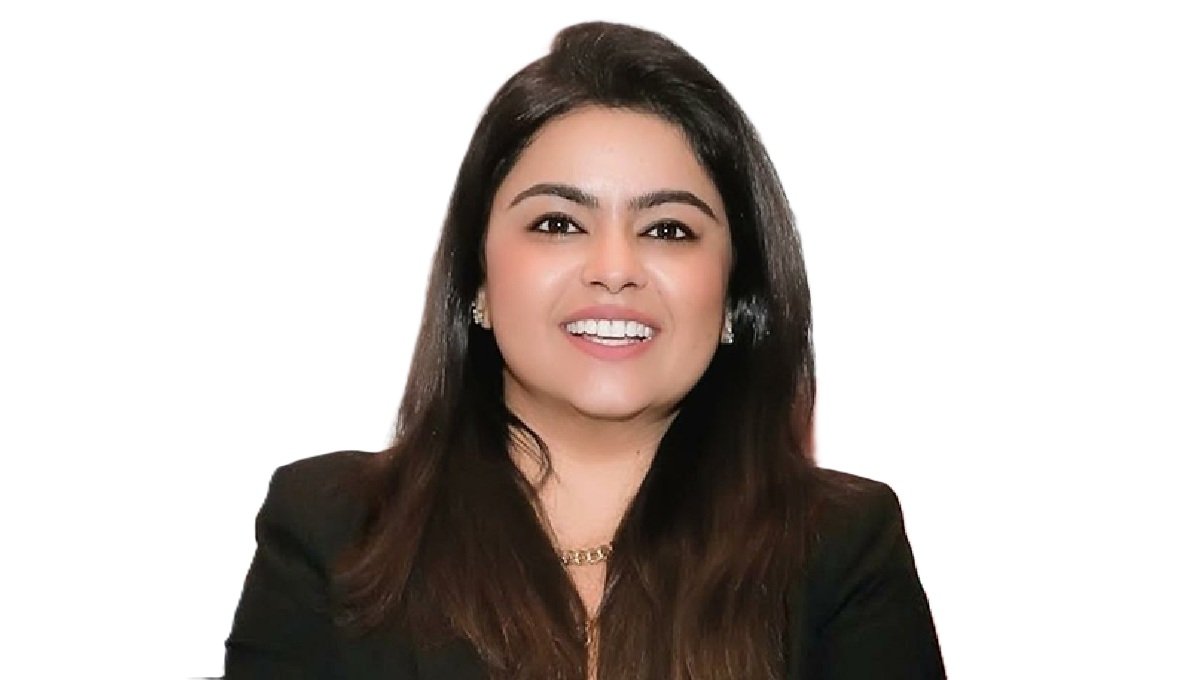
Aziza Makkar, Business Unit Head for GCC at AmiViz, believes cybersecurity is fundamentally about anticipating threats from multiple perspectives and communicating them effectively across teams and leadership. She notes that women often excel in communication, stakeholder alignment, and cross‑functional collaboration—skills that are essential in a field where clarity and coordination can determine the success of a security strategy. However, she acknowledges that the industry demands continuous upskilling, especially as AI‑driven threats reshape the landscape. For her, staying ahead is less about chasing every new threat and more about building systems for structured learning and strategic skill development. She emphasizes that women bring inherent strengths that are not just socially valuable but strategically advantageous in cybersecurity. To empower more women, she advocates for education through internships and scholarships, bias‑aware recruitment, inclusive workplace cultures, and leadership pathways that recognize women’s potential. Her approach reflects a belief that diversity strengthens cybersecurity at every level.

Rania AlKhatib, Head of Marketing MEA at Zscaler, notes that women in cybersecurity often face visibility gaps and slower career progression, but they also benefit from the industry’s growing recognition of diverse insights and inclusive leadership. She has navigated these challenges by showcasing impact through results, building a strong professional network, and positioning her unique perspective as a strategic asset. To stay ahead of evolving threats, she focuses on tracking cyber trends, understanding customer concerns, and shaping clear, relatable messaging. She believes women should prioritize strategic communication and cross‑functional collaboration to influence decisions and create impact. She advocates for organizations to create targeted scholarships and internships, offer flexible work models, provide mentorship, and invest in skills training and certifications. She believes inclusive cultures that position women as leaders and strategic contributors are essential for building strong cybersecurity teams.
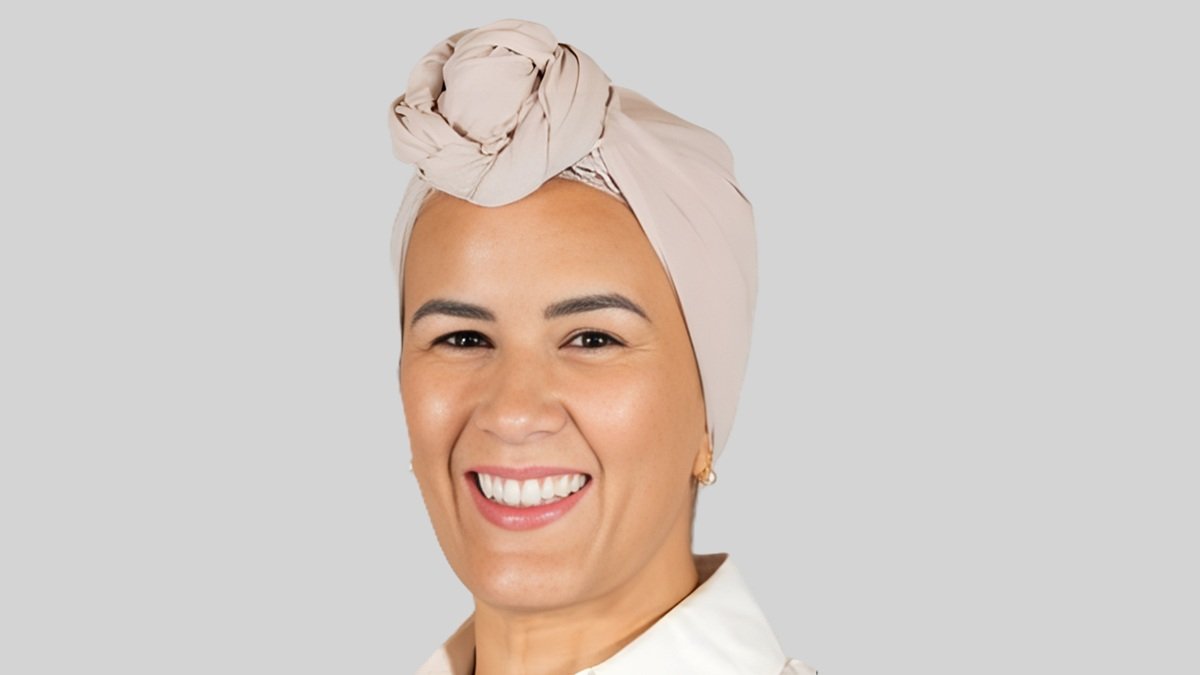
Nadia Zamouri, Territory Manager – MEA at Delinea, reflects on her 25-year journey in cybersecurity, acknowledging that navigating a male‑dominated environment remains challenging even today. She explains that the biggest hurdle is not technical expertise but being heard, respected, and taken seriously in strategic discussions. Women often face more scrutiny and must work harder to earn credibility. She has overcome these challenges by investing in executive leadership training, building trusted relationships with allies who champion women in tech, and maintaining professional persistence even when dismissed. Supporting other women entering the field has been equally empowering for her, reinforcing the importance of community and mentorship. To stay ahead of evolving threats, she engages with the security community, attends conferences, and maintains certifications. She believes women should prioritize technical knowledge, business communication, and leadership development to secure a seat at the decision‑making table and influence cybersecurity strategy at scale.
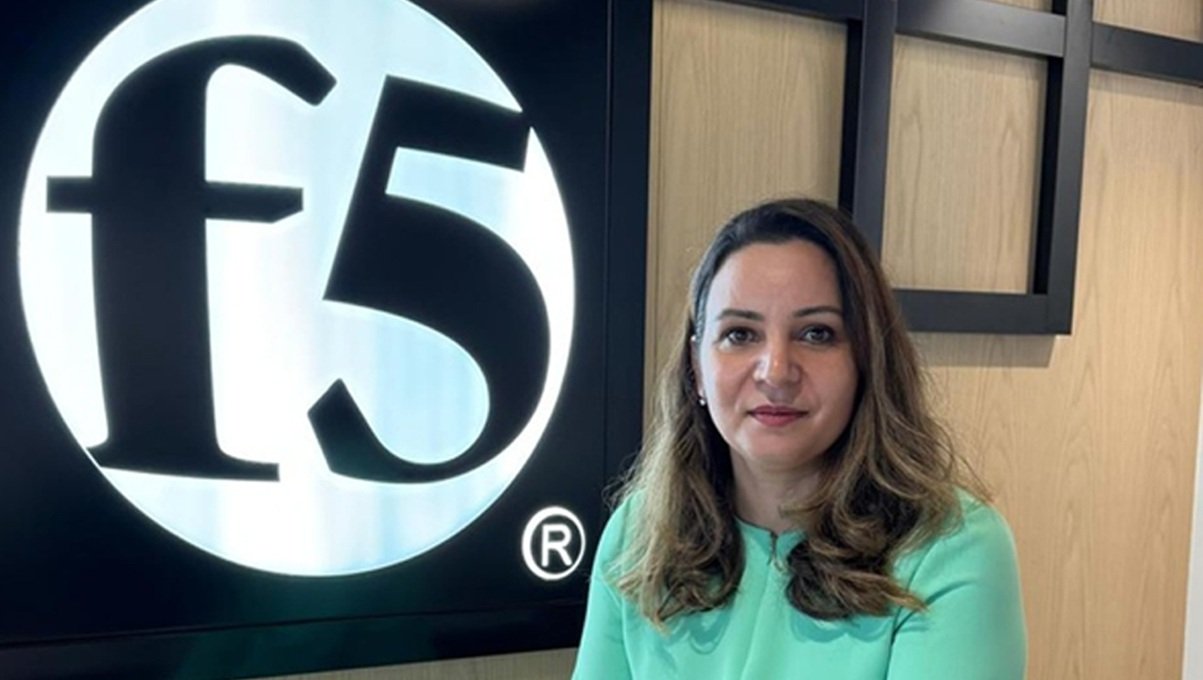
Fadia Ayad, Senior Director & Country Manager, UAE at F5, highlights the gender imbalance in cybersecurity as one of the most persistent challenges women face. She explains that the scarcity of women in the sector can discourage them from expressing ideas, taking risks, or pursuing promotions. Throughout her career, she has navigated these challenges through resilience, authenticity, and collaboration with HR teams to improve workplace culture. She believes that staying ahead in cybersecurity requires continuous learning, especially as AI accelerates both attack methods and defensive capabilities. Women, she says, must prioritize self‑development and remain authentic, as authenticity builds trust and strengthens professional relationships. To attract and retain more women, she emphasizes the need for unbiased recruitment processes, supportive workplace environments, and encouragement for women to pursue leadership roles. She believes that long‑term progress depends on achieving gender balance in senior leadership and fostering a culture where diversity is valued and championed from the top down.
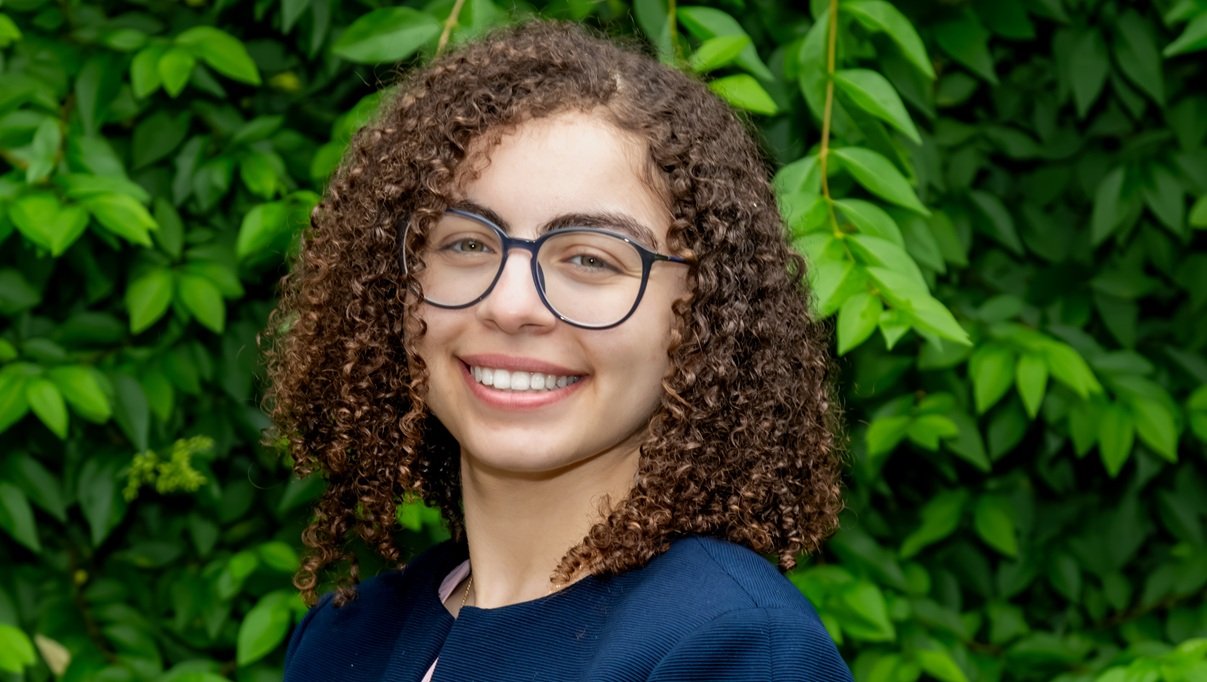
Reem Moustafa, Inside Systems Engineer at Fortinet, explains that women in cybersecurity often face challenges such as being spoken over, underestimated, or undervalued—especially when they are the only woman in the room. She has learned to speak up with confidence, recognizing that her insights are valuable and deserve space in the conversation. Over time, contributing consistently has helped her build confidence and credibility. She navigates challenges by seeking support from peers and learning from those around her, which has helped her grow her skills and experience. To stay ahead of evolving threats, she focuses on continuous learning and refining vendor‑agnostic technical skills. She believes women should prioritize strong technical fundamentals, communication, and problem‑solving abilities. Adaptability across tools and environments, she says, is essential for thriving in cybersecurity. She advocates for organizations to create clear entry points for women, provide training, and foster inclusive environments where women feel supported and empowered to succeed.
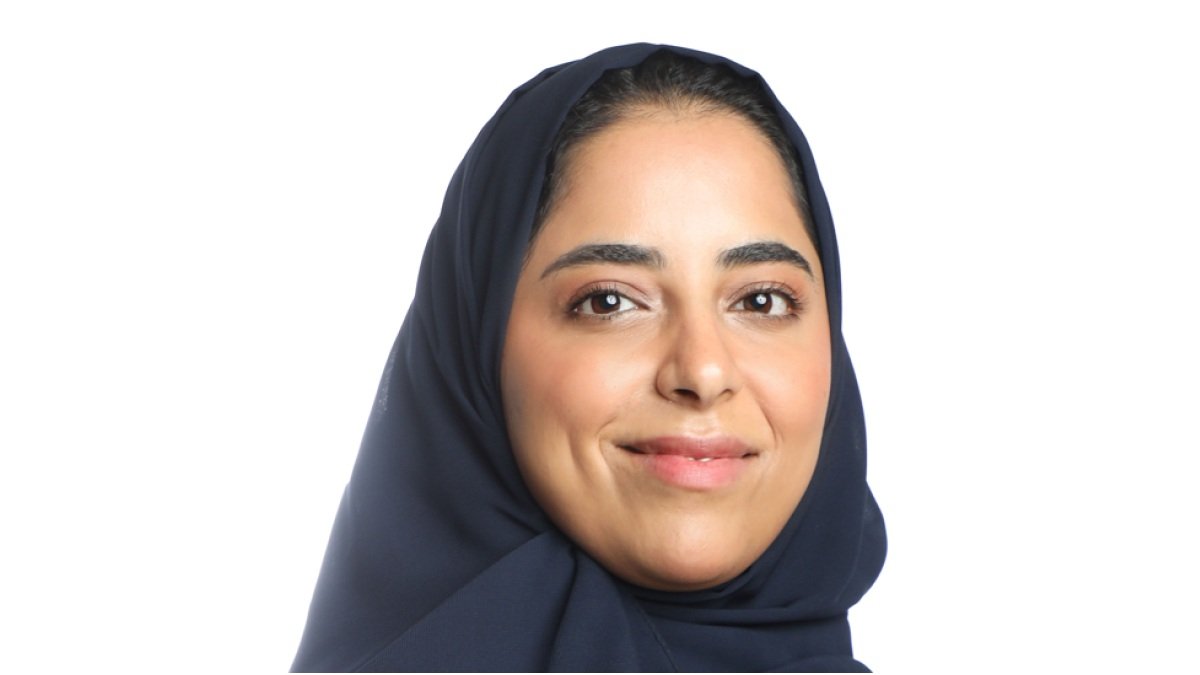
Yara AlHumaidan, Red Teaming Specialist at Group‑IB, notes that women in cybersecurity often face underrepresentation, bias, and limited mentorship, but these challenges also create opportunities to lead change and shape more inclusive cultures. She has navigated the industry by building deep technical credibility, earning global certifications, and cultivating strong networks. Mentoring others has been a key part of her journey, allowing her to turn visibility into impact and expand opportunities for women entering the field. To stay ahead of rapidly evolving threats, she combines continuous technical research with strategic foresight, tracking emerging vulnerabilities, reverse‑engineering attack techniques, and participating in red‑team exercises. She also studies advancements in AI, cloud, and zero‑trust architectures to maintain a competitive edge. She believes organizations must implement inclusive hiring practices, mentorship programs, flexible work models, and clear leadership pathways. For her, diversity is not a compliance metric but a strategic advantage that strengthens cybersecurity resilience.
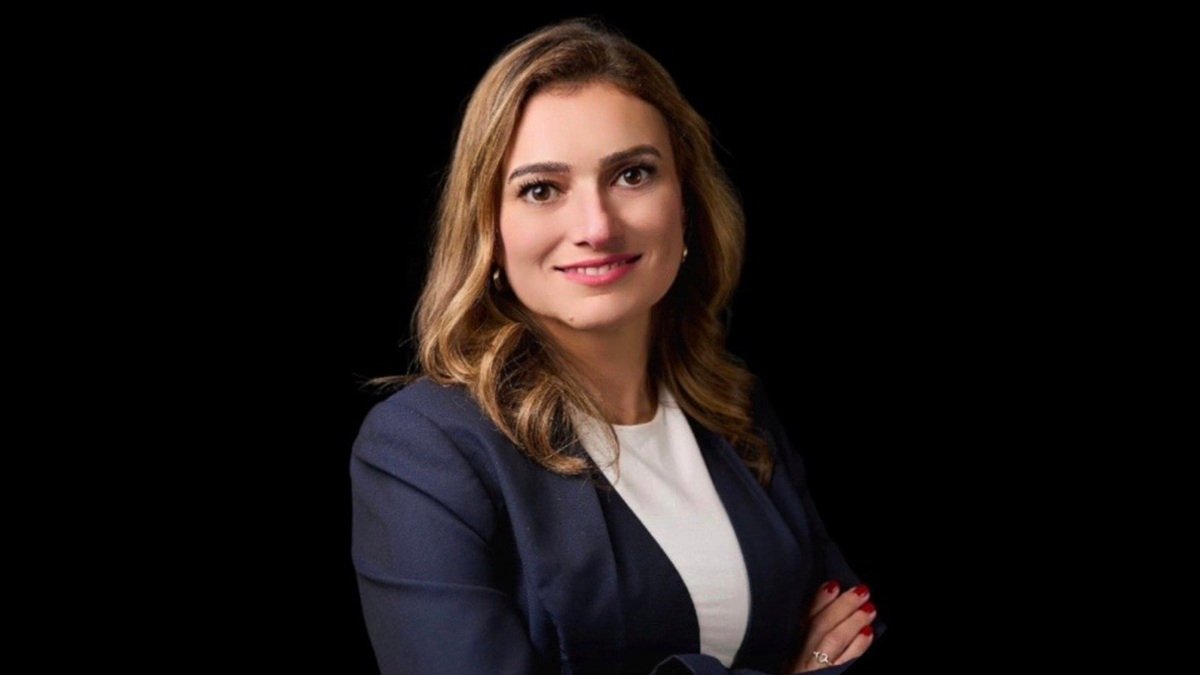
Lora Abu Rashed, Consult Partner at Kyndryl Middle East and Africa, explains that women in cybersecurity may encounter limited representation in technical areas, but the growing demand for cyber skills creates strong opportunities for advancement. She has navigated her career through continuous learning, certifications, and mentorship across both security and business domains. At Kyndryl, exposure to large‑scale, regulated, and hybrid environments has helped her develop the expertise needed to shape cyber‑resilience strategies. She believes staying ahead requires hands‑on experience, ongoing training, and the ability to connect cybersecurity decisions to business risk and organizational resilience. For women entering the field, she emphasizes the importance of technical foundations, curiosity, and strategic thinking. She advocates for long‑term talent strategies aligned with national digital transformation agendas, including STEM education, targeted cybersecurity training, inclusive hiring, and leadership development. She believes increasing women’s representation in decision‑making roles will strengthen innovation and improve cyber resilience across the region.

Patricia Murphy, Vice President EMEA Ecosystems at Palo Alto Networks, highlights that the challenges facing women in cybersecurity span the entire pipeline—from early education to corporate leadership. She emphasizes the importance of encouraging girls into STEM subjects early, as this shapes their confidence and interest in technical fields. In the workforce, women often navigate legacy cultures that remain predominantly male, which can limit their progression. She notes that while progress is being made, continued efforts are needed to remove barriers and ensure women can thrive. To stay ahead of evolving threats, she believes women must develop strategic AI literacy and embrace lifelong learning. Cybersecurity offers diverse career paths, from technical roles to research, policy, and outreach, and she encourages women to pursue roles that push them outside their comfort zones. She believes organizations must build diverse teams, as inclusive cybersecurity environments are more effective and better equipped to solve complex challenges.
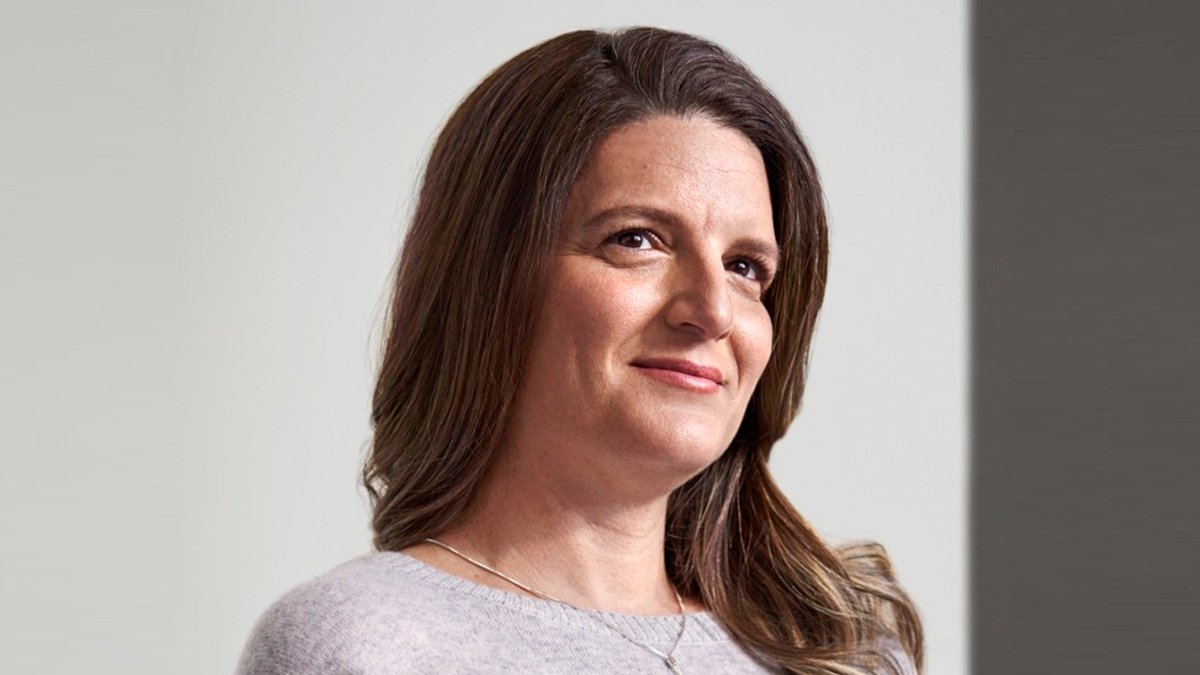
Rania Khalaf, Chief AI Officer at WSO2, explains that while gender should not matter in technical fields, practical and cultural challenges persist. She highlights issues such as inadequate facilities, cultural expectations, and the “double bind,” where women are judged differently on competence and likeability. She has learned not to internalize these pressures, instead focusing on resilience, execution, and empathy. At the leadership level, she works to ensure equitable processes and facilities for all employees. To stay ahead of evolving threats, she emphasizes disciplined learning and the importance of being “bilingual”—fluent in both engineering rigor and human empathy. She believes leaders must understand both technology and human behavior to navigate uncertainty effectively. She advocates for organizations to address practical realities, foster psychological safety, and move away from the myth of the lone genius. For her, the goal is an equitable environment where diverse perspectives are valued and people can do their best work.
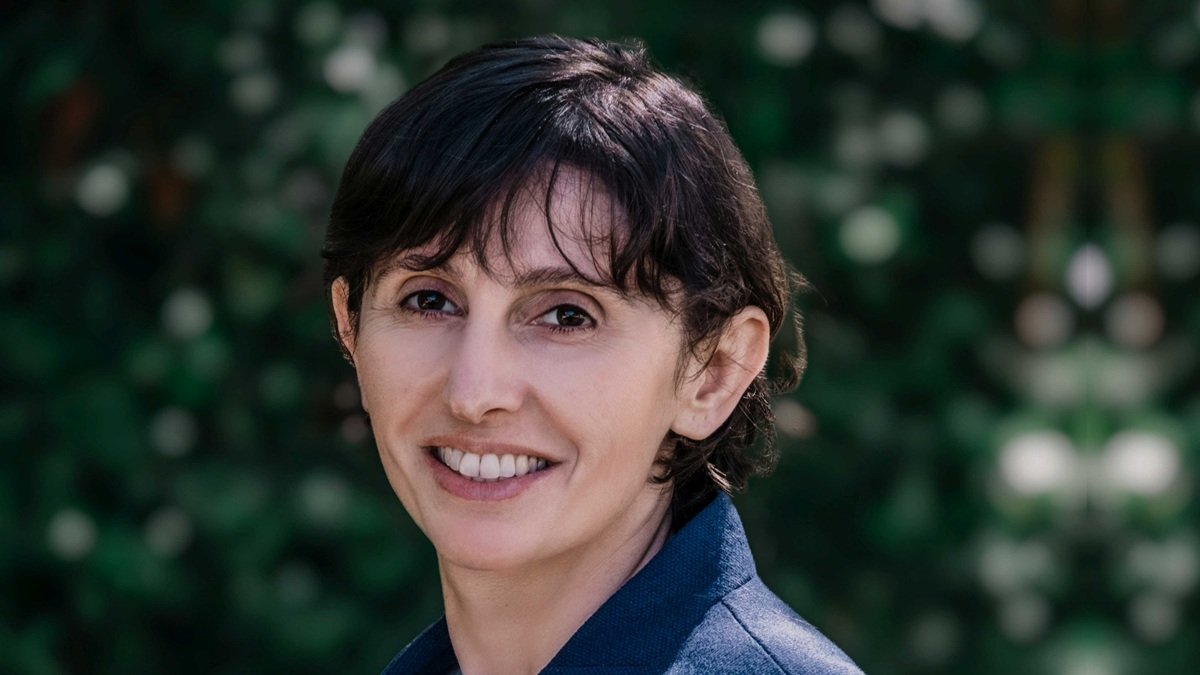
Sultan Uzun, Account Executive, Enterprise at BeyondTrust, believes the cybersecurity field is opening wider doors for women, even as some long‑standing perceptions persist. She notes that many women still feel pressured to prove deep technical expertise before entering the industry, especially those coming from non‑traditional or cross‑sector backgrounds. Her own journey reflects this tension, but also the opportunity it creates. As she explains, the Middle East and Africa’s cybersecurity landscape is evolving so quickly that diverse business, operational, and leadership experience is not only relevant but increasingly essential. Continuous learning, community engagement, and cross‑functional collaboration have helped her stay ahead of fast‑moving threats. She encourages women to cultivate adaptability, strong business context, and the confidence to leverage hybrid skill sets — a powerful combination in Africa’s rapidly digitizing markets. For organisations, she stresses the importance of non‑linear entry pathways, visible female leadership, mentorship, and inclusive cultures that genuinely value women’s perspectives.
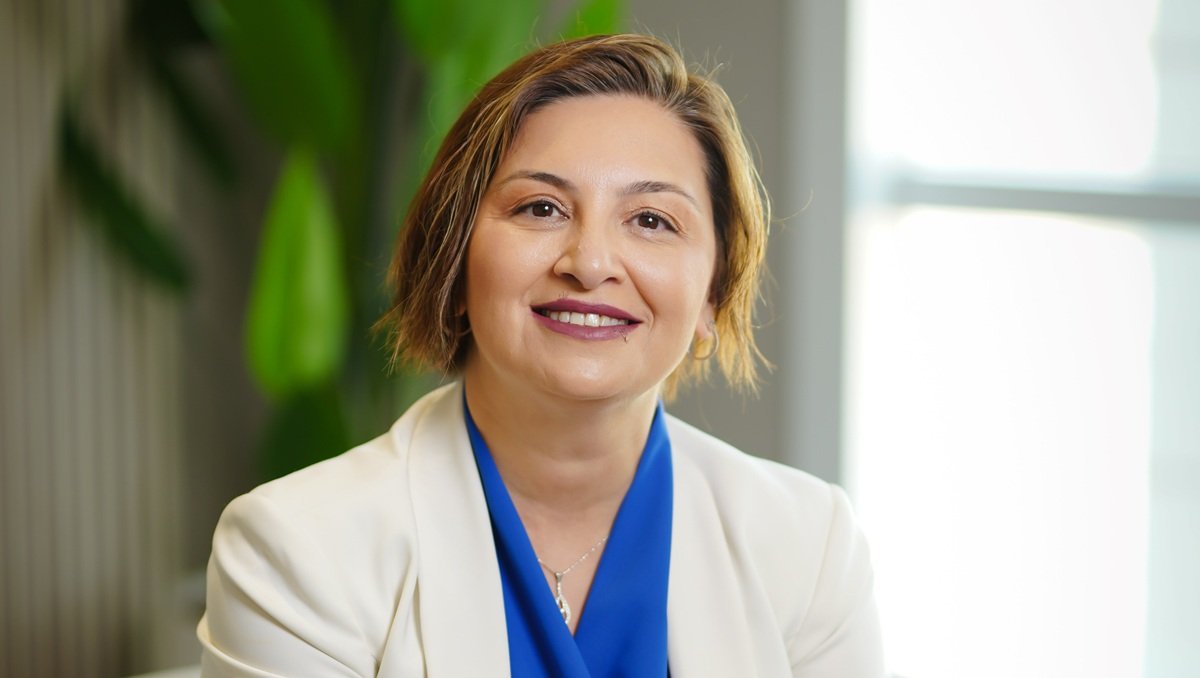
Nurcan Bicakci Arcan, Vice President – Marketing & Communications, CPX, highlights that women in cybersecurity continue to face limited visibility and unclear entry pathways, even as the region urgently needs more skilled professionals. She sees this gap as both a challenge and an opportunity: a challenge because women often lack access to structured development routes, and an opportunity because targeted initiatives can rapidly accelerate their participation. She points to CPX’s She Protects program, launched with Microsoft, as a practical step toward equipping women with the confidence, skills, and resources needed to thrive in a fast‑evolving threat landscape.
To stay ahead of emerging risks, she stresses the importance of continuous learning, strong foundations in security and compliance, and growing fluency in identity management and generative AI. She believes women who combine technical depth with professional confidence will be well‑positioned to lead. For the Middle East to attract and retain more women, she calls for coordinated public‑private efforts—structured training, mentorship, and real‑world skill‑building—to create a more inclusive and resilient cyber workforce.
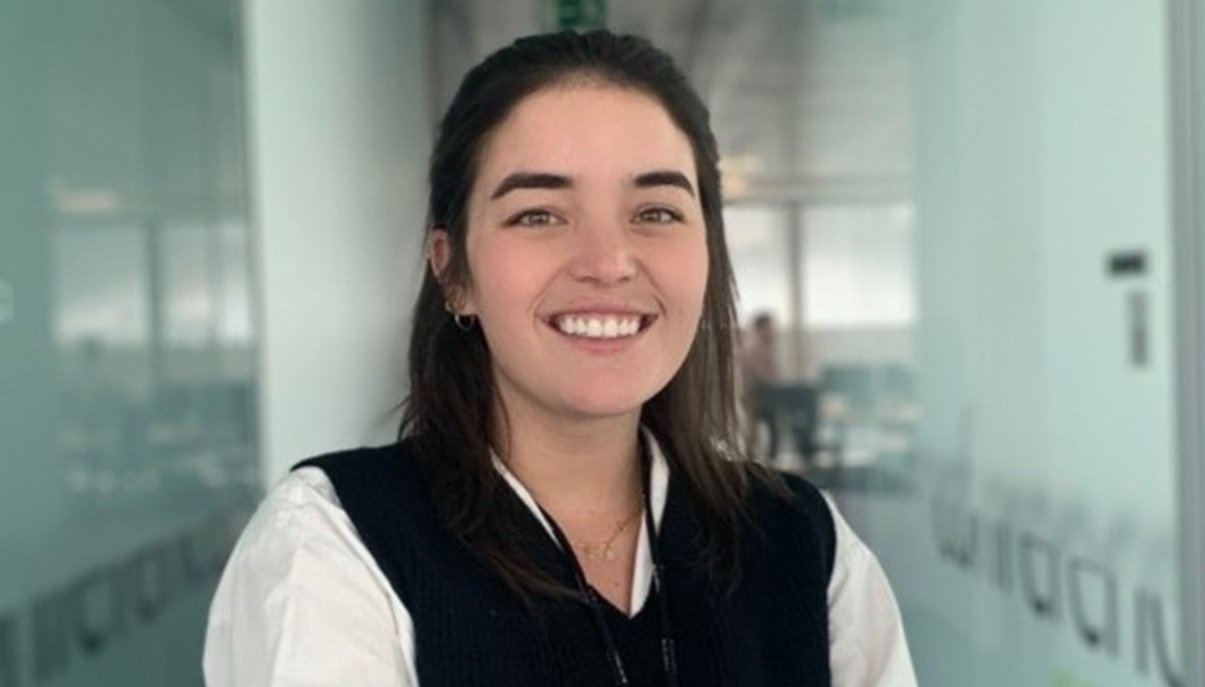
Melissa Velez, Team Manager Enterprise Security Engineers EMEA at Check Point Software explains that one of the biggest challenges for women in cybersecurity is not capability but perception—often needing to prove expertise more than once. She has navigated this by mastering her domain, staying curious, and confidently taking space in strategic discussions. Understanding cultural and market nuances across regions has also helped her build trust and long‑term impact. To stay ahead in a field that evolves daily, she prioritizes continuous learning and deep specialization, encouraging women to choose a path and excel in it. Alongside strong technical foundations, she believes soft skills—listening, understanding customer pain points, and becoming a trusted advisor—are essential. For the Middle East, she sees progress through mentorship, visible female leaders, and structured growth paths, urging organizations to expand real opportunities where women can lead and inspire.
International Women’s Day 2026 is a reminder that cybersecurity is not just a technical field—it is a human one. The women shaping this industry bring resilience, intelligence, empathy, and strategic vision to a domain that demands all four. Their voices reflect a rapidly evolving cybersecurity ecosystem, and their leadership is essential to building a safer, more inclusive digital future for the Middle East and beyond.