










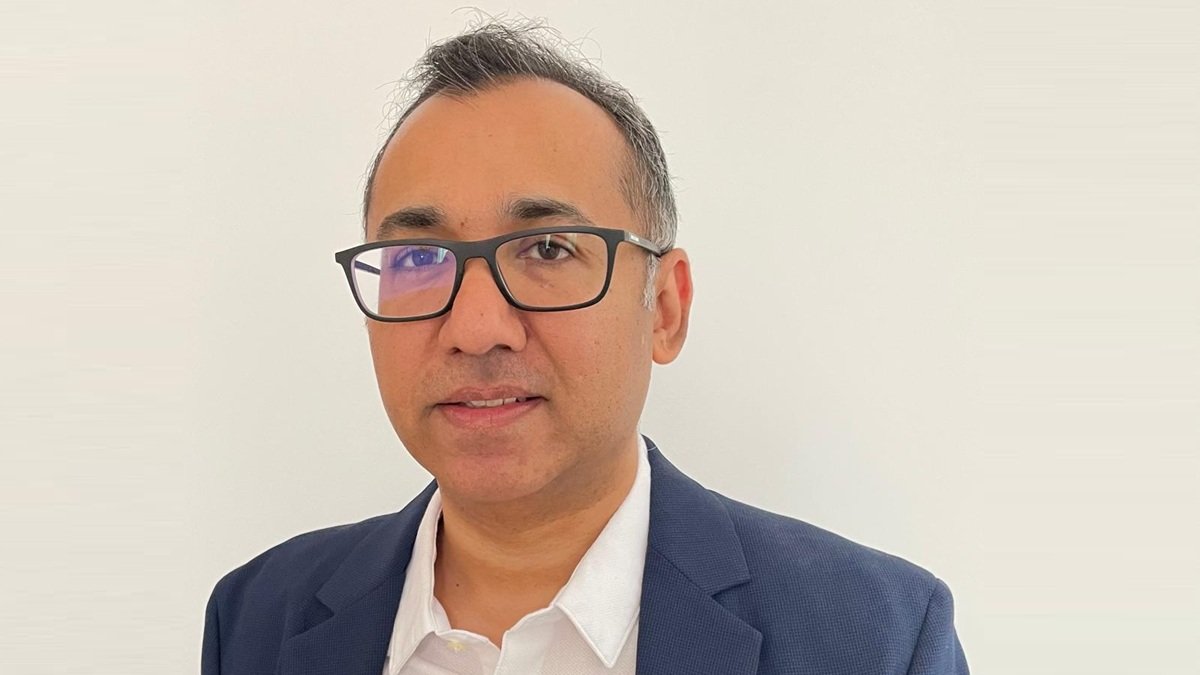
Rahul Shetty, co‑founder and CEO of StarcSec, explains that application security is shifting from code scanning to lifecycle risk management. StarcSec’s ASPM delivers full‑stack visibility, AI‑driven prioritization, and compliance to help organizations scale secure development globally with confidence.
How do you see the current application security landscape evolving, and why is Application Security Posture Management becoming critical for organizations today?
From where I sit, application security is no longer about just scanning code—it’s about managing risk across the entire lifecycle. With CI/CD, cloud-native stacks, and open-source dependencies, the attack surface has exploded. The real challenge isn’t detection—it’s knowing which vulnerabilities matter and acting fast. That’s exactly why ASPM is becoming foundational. Gartner called it “the foundation of mature AppSec programs,” and I agree. At StarcSec, we see ASPM as the connective tissue—correlating findings, prioritizing by business impact, and continuously monitoring posture across the SDLC. It’s how modern security scales with modern development.
Which specific application security risks—such as misconfigurations, vulnerabilities, or third-party dependencies—does Starcsec’s ASPM solution primarily address?
At StarcSec, we designed our ASPM platform to tackle the real-world risks that keep security teams up at night. It’s not just about scanning code—it’s about surfacing misconfigurations, vulnerabilities, and third-party exposures across the entire stack: source, open-source libraries, cloud infra, runtime, even mobile and web apps. What makes us different is how we correlate these findings across tools and environments, cutting through the noise to highlight what truly matters. That context-driven prioritization, paired with streamlined remediation, helps teams move faster and stay secure—without drowning in alerts or losing sight of business impact.
What differentiates Starcsec’s ASPM technology from other tools in the market, particularly in terms of detection, prioritization, and remediation of risks?
At StarcSec, we built our ASPM platform to go beyond surface-level detection. What sets us apart is full-stack visibility—from source code to cloud and runtime—and the ability to preserve scan history even when tools change. That’s critical for regulated industries and fast-moving teams. Our AI engine doesn’t just flag issues—it correlates across scanners and prioritizes by business impact, not just severity. And we’ve streamlined remediation with developer-integrated workflows that reduce friction and accelerate response. Whether it’s GCC-localized SaaS or on-prem, we’re built for scale, compliance, and vendor-agnostic flexibility.
How is AI leveraged within your ASPM solution to automate risk detection, assess application security posture, or recommend actionable improvements?
At StarcSec, we use AI not as a buzzword, but as a force multiplier. Our engine automates risk detection across the stack, correlates findings from multiple tools, and continuously assesses posture in real time. But what really matters is context—our AI prioritizes vulnerabilities based on business impact, not just severity. It explains scanner outputs in plain language and recommends actionable fixes that developers can actually use. That’s how we streamline remediation, reduce noise, and help teams focus on what moves the needle. It’s intelligence with impact, built for speed, scale, and clarity.
How does your ASPM solution help organizations reduce the attack surface, improve compliance, and accelerate secure application deployment?
Unified visibility across code, cloud, and runtime helps shrink the attack surface early. AI-driven correlation cuts noise and highlights what matters. For compliance, we offer posture tracking, SLA monitoring, and GCC-localized controls. And because security is embedded into the dev lifecycle, automated workflows and smart prioritization accelerate deployment—without compromising trust.
What are the key USPs of Starcsec’s ASPM offerings, and how do they deliver measurable value to your customers?
Starcsec’s key USPs include full-stack visibility, AI-driven risk correlation, vendor-agnostic integration, and flexible deployment (SaaS with localization and on-prem). These deliver measurable value by reducing noise, accelerating remediation, preserving scan history, and ensuring compliance across diverse environments.
What’s next for Starcsec in ASPM—are there upcoming features, AI enhancements, or integrations that will help organizations strengthen application security further?
We’re just getting started. The next wave of ASPM at StarcSec brings deeper AI, broader integrations, and sharper analytics. We’re expanding into IoT and AI system scanners—covering risks in connected devices, LLMs, and AI-driven apps. These aren’t edge cases anymore—they’re core to modern environments. Our goal is to extend visibility into emerging attack surfaces and give teams the context they need to act fast.
As the AppSec product built in the UAE, how does Starcsec plan to scale globally and showcase regional innovation in cybersecurity?
To our knowledge, this is the first AppSec product built in the UAE—and that’s something we’re proud of. But our ambition goes far beyond geography. We’re scaling globally by simplifying application security through AI, unifying fragmented workflows, and helping teams deploy secure software faster. It’s not just about exporting tech—it’s about showcasing regional innovation and proving that the GCC can lead in cybersecurity with intelligence, agility, and trust.
What are Starcsec’s next steps for growth, and how does it plan to expand its ASPM footprint globally?
The demand for ASPM in the UAE is real—driven by rapid digital transformation, strict cybersecurity mandates, and rising cloud adoption. Sectors like finance, energy, and government need continuous risk visibility and compliance, and that’s where we’re deeply engaged. Our focus now is building a strong footprint across the GCC: partnering with key sectors, tailoring solutions, and proving value. We’re also in active conversations with investors as we prepare for the next phase of growth. Global expansion is on the horizon—but it’s grounded in regional excellence and a clear vision for scalable, intelligent security.