









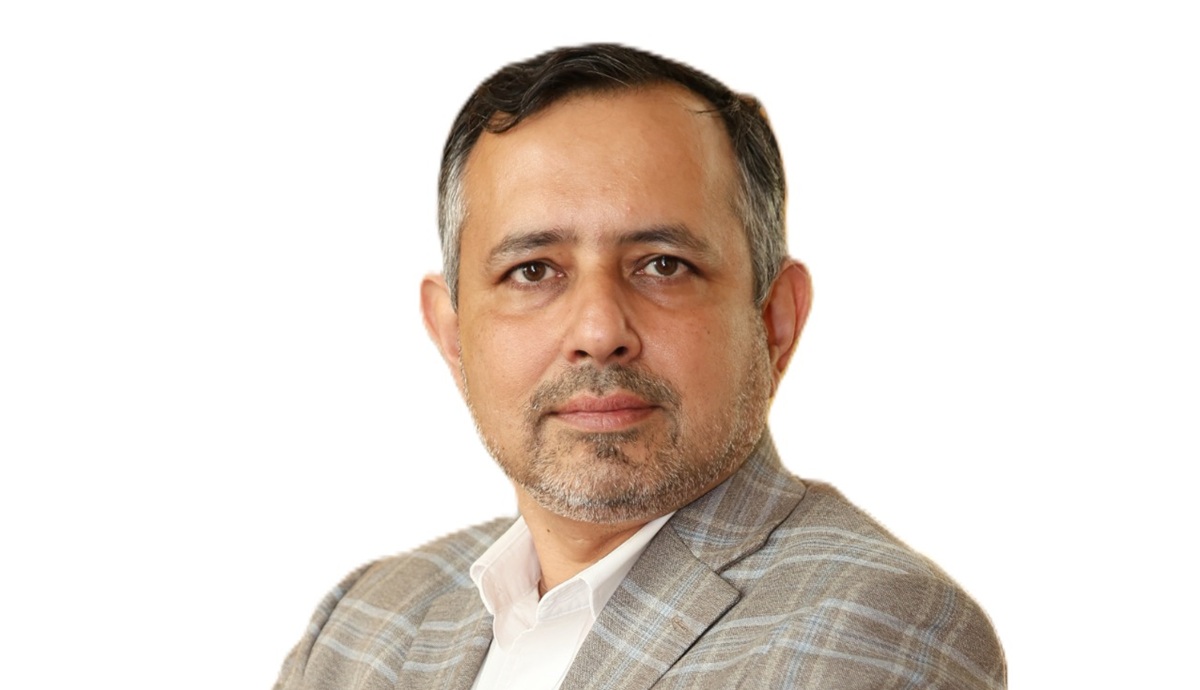
Pushkar Singh, Country Head MEA at Protectt.ai, highlights the company’s rapid MEA growth, expanding mobile and AI security offerings, meeting new UAE compliance mandates, and safeguarding over a billion devices as regional cyber risks intensify across banking, fintech, and government ecosystems.
What is Protectt.ai and how did your journey begin?
Before we talk about the company, we always start with the bigger picture. Globally, everything is moving toward digital assets. Today, customers interact with enterprises through mobile applications, web portals, and increasingly AI agents. We are in the business of protecting these digital assets, and that’s where we started. We began by securing the most critical enterprise asset: the mobile application. Whether it’s banking, government‑to‑citizen, logistics, real estate, or any consumer‑facing app handling sensitive data or financial transactions, it needs protection because hackers and fraudsters target it. Our flagship product was mobile application runtime protection, and over time we expanded into multi‑factor authentication, device fingerprinting, SIM and device binding, code obfuscation and more. Today, we provide end‑to‑end mobile application security. Last year, we also launched our AI security platform as the world moves toward AI, offering AI red‑teaming, AI model scanners, and runtime protection. Now we have solutions around AI… leveraging the learnings from the mobile applications.
How does the UAE’s new mobile‑malware regulation impact banks, and how do you help them comply?
The Central Bank of the UAE has mandated all listed financial institutions to implement mobile application threat protection. Globally, too, the landscape is shifting—if fraud happens through a digital channel, the financial institution providing that platform is often held liable. The challenge is that the mobile app is an enterprise asset but sits entirely outside enterprise control. We don’t control the user’s device, network, OS updates or whether malware exists on the device. But we can identify threats originating from the application, network or device layers. When we detect malware, we report it back to the bank with full forensic visibility. If a user logs into an unsecured public network, our solution warns them and records the event. This gives banks transparent evidence of what happened and helps them meet compliance while protecting consumers who often face the burden of device‑level vulnerabilities.
How widely are banks and fintechs adopting mobile‑app threat protection?
Adoption is very high because regulators across the GCC and India have mandated it. This is no longer a “good‑to‑have” solution; it is a “must‑have.” In a short span of time, we are protecting more than 300 enterprise applications—banks, government‑to‑citizen apps, logistics, real estate and more. We protect 1 billion+ devices… and 100 billion+ sessions… and 8 billion+ threats we identify. These numbers show that the threats are real, constant and evolving. Banks are adopting rapidly, but there is always a learning curve because new threats emerge and we continuously release new capabilities and versions.
With AI accelerating cyberattacks, how are you staying ahead?
AI is being used—and misused—for breaches. What used to take attackers a month now takes a few hours. We have to stay ahead of the curve, and that’s why we built Protectt.ai as an AI‑native company. We use AI to secure mobile applications and to secure AI itself. We detect threats based on behaviour patterns, not just signatures. When behaviour resonates with malware activity, our AI flags it immediately. We can terminate sessions, warn users or block transactions. We also protect AI agents, LLMs and enterprise‑trained models, including Arabic and other languages. We protect the LLMs… endpoints… agents… and we have Arabic and all that.
Which industries are driving your growth in the Middle East?
BFSI is the biggest driver because financial applications are prime targets for fraudsters. Fintech is booming, peer‑to‑peer transactions are rising, and insurance is another major area. Government to citizen applications are also critical because they handle sensitive data and high‑value transactions. E‑commerce is another strong segment. We started in the region just over a year ago and already have double‑digit clients across the Middle East and Africa. Given our scale, depth and regulatory experience, we expect 100–200% year‑on‑year growth. We are very hopeful, and more than 100% to 200% growth is expected year on year.
What does GISEC mean to you and your presence in the region?
GISEC has a unique energy every year. We’ve been in the region for a decade, and we see the excitement growing year after year. It’s a hub for innovation where we meet clients, partners and industry leaders. Expo City adds a different feel and environment. We look forward to GISEC every year, and our growth reflects that—and this GISEC, we are present at two locations: one at the India Pavilion, and the second where we are exhibiting with our partner, Cyber Gate.