










OpenClaw didn’t go viral because it’s enterprise software. It went viral because it shows where everyday work is heading. Tools like OpenClaw, an autonomous AI agent, are being picked up first by individuals: engineers automating side projects, analysts wiring together workflows, operators speeding up routine tasks using open and community-built agent frameworks. But the moment those tools touch real systems—inboxes, shared drives, internal dashboards, developer environments—they stop being “personal experiments.” They become part of an organization’s attack surface.
This is the real shift in workforce AI security: Not formal deployments of autonomous agents, but employees bringing powerful, open-ended automation into their workflows—often without the visibility, governance, or guardrails. This pattern mirrors what happened with early SaaS and shadow IT, except that AI agents act, execute, and integrate at machine speed, creating a dramatically larger blast radius.
OpenClaw’s breakout moment is more than a viral AI story. It’s a preview of how work is changing: software that used to assist people is starting to act on their behalf.
That shift sits at the core of securing the usage of AI among the employees. When employees adopt AI assistants that can browse, run tasks, install “skills,” and operate across apps, the security question changes. It’s no longer just “what did the model say?” but “what did the agent do, and under whose authority?”
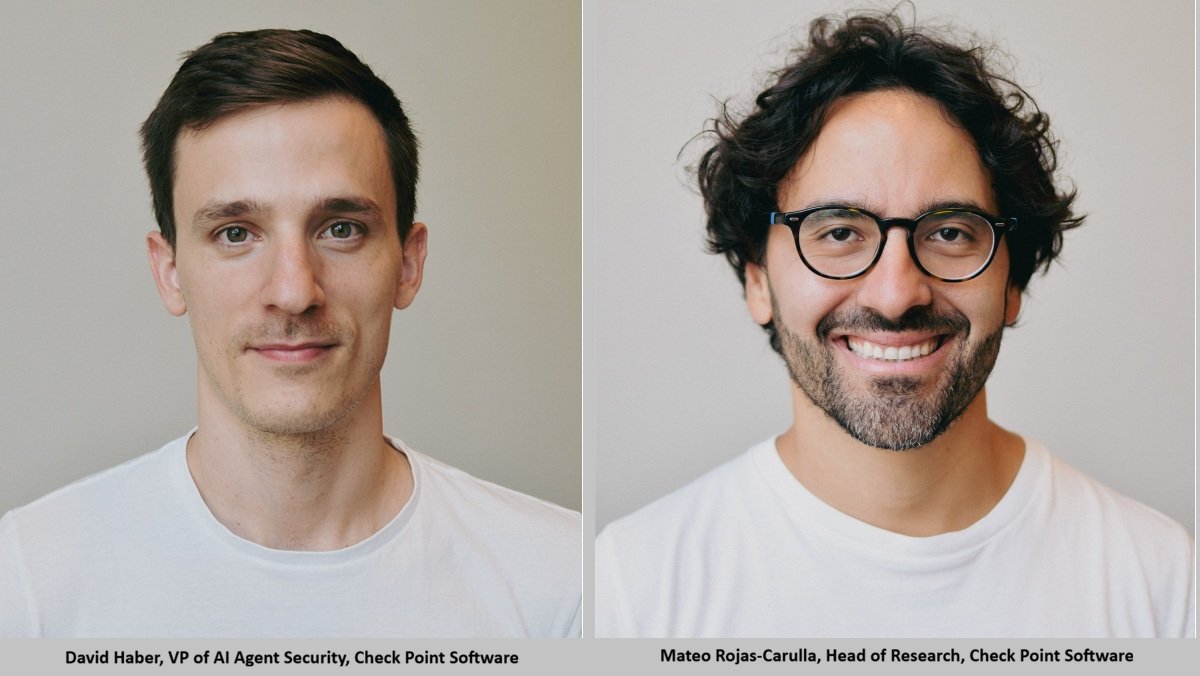
“OpenClaw is a glimpse of the future: AI assistants that don’t just suggest—they act. The security challenge isn’t the AI’s output; it’s the authority we delegate to it,” said David Haber, VP of AI Agent Security, Check Point Software.
Why This Matters: Blast Radius
In the last few days, researchers and news outlets have flagged security issues around OpenClaw’s rapidly growing ecosystem, including reports of one-click execution paths and malicious third-party skills.
It’s easy to treat this as another AI security headline. But OpenClaw changes the stakes. Agents are becoming a layer that can touch everything a user can touch.
That means familiar risks—links, plugins, supply chain—can now trigger unfamiliar outcomes: instant execution, broad permissions, and actions indistinguishable from normal work. This is the game-changer – this is the first time an ‘application’ can behave with the autonomy, speed and access level of a human employee – without the ability to reason about risk.
The Real Lesson: Security Hasn’t Caught up to Delegation
Organizations are delegating real work to AI faster than they are building controls around what those systems can access, install, and execute.
This is why AI security must go beyond model behavior or content filtering. An AI Agent can be perfectly polite and still be dangerously exploitable, especially when embedded into inboxes, files, browsers, dashboards, or developer tools.
What Workforce AI Security Actually Means
Workforce AI Security isn’t a slogan. It’s the controls layer for a world where employees routinely delegate tasks to AI across documents, email, browsers, developer tools, and business applications.
It requires a deeper focus on how AI operates on behalf of people, such as :
- Visibility
Which AI assistants employees are using—and what data, systems, and permissions they inherit.
- Guardrails on Actions
Installing a skill, running a command, or moving data must be treated like a high-risk operation, not just a convenience click.
- Trust Boundaries for Third-Party Extensions
Skills and plugins aren’t “add-ons.” They are execution pathways into business-critical systems.
- Protection Against Indirect Manipulation
Workplace AIs ingest untrusted content constantly. In an agentic world, that content doesn’t just inform work—it can steer it.
- Protection against indirect manipulation
Workplace AIs ingest untrusted content constantly. In an agentic world, that content doesn’t just inform work; it can steer it.
“Moltbot exposes a dangerous new reality: with AI agents, data is code. A malicious spreadsheet cell can now exfiltrate your entire inbox. We’re living in this world today, and the way enterprises think about security needs to catch up,” said Mateo Rojas-Carulla, Head of Research, Check Point Software.
This is exactly the class of risk that emerges in real employee workflows—not through obvious exploits, but through everyday work artifacts like documents, links, and datasets that quietly influence AI behavior.
How to make this useful on Monday morning
If you’re experimenting with OpenClaw- or any workplace agent-a pragmatic approach should be:
- Treat agent tools as high-trust apps: review installs, connectors, and permissions like you would browser extensions or developer tools.
- Apply least privilege where you can: identity, OAuth scopes, SaaS permissions.
- Reduce the plugin/skills surface: restrict installs and limit who can add new connectors.
- Treat external content as untrusted content that can steer behavior, not just information employees read.
- Measure outcomes using logs you already have: SaaS audit trails, repo activity, sensitive file access. What matters is what the agent did, not what it said.
No matter what, employees will adopt AI automation with or without a policy. The choice for security leaders is whether you build visibility and control now, or investigate them during an incident.
The Broader Shift
The real significance of OpenClaw isn’t a single bug. It’s the arrival of a workplace where employees, SaaS apps, and AI agents all operate on human authority—touching real systems and data.
Securing this requires governance around discovering AI usage, controlling what systems AI can access, and enforcing guardrails around actions.
Where Check Point Fits
Check Point helps organizations understand and control how AI is being used across real employee workflows—from individuals experimenting with copilots, to applications embedding LLMs, to agents making autonomous decisions.
In practice, that means providing visibility into active AI systems, restricting risky or unnecessary connections, and enforcing action level guardrails on data access, tool execution, and third-party integrations.