










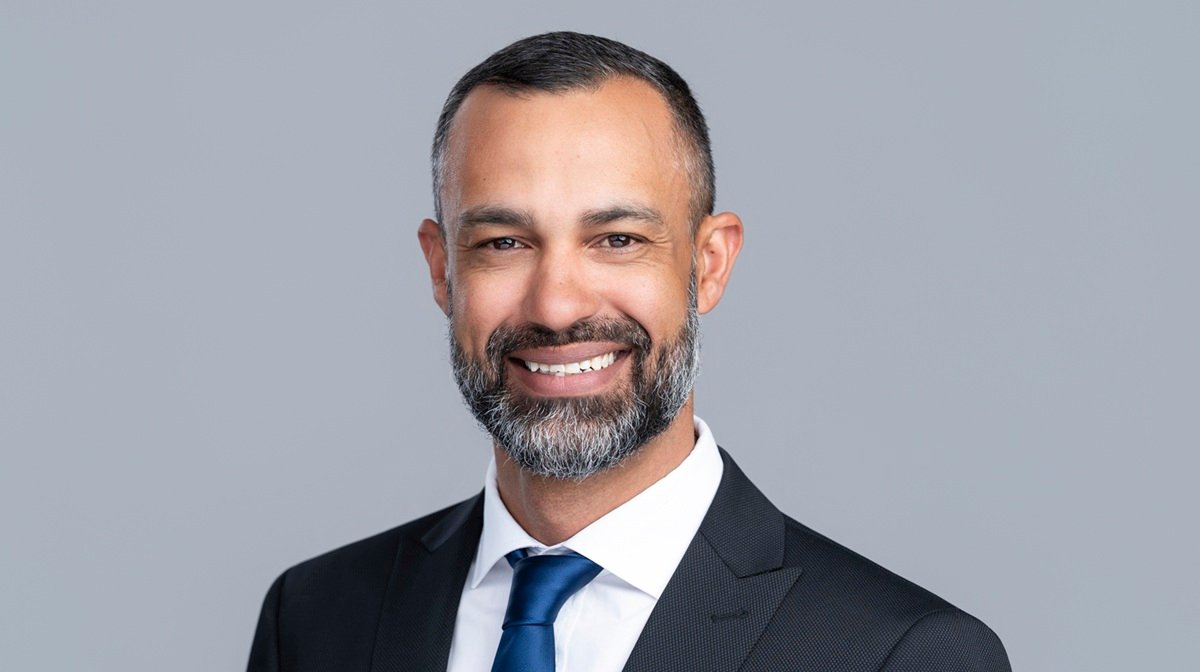
Marcel Bruyns, Regional Sales Manager for Africa at Axis Communications, highlighted rising demand for advanced technologies, growing interest in smart cities, the shift toward data‑driven security, and the increasing importance of cybersecurity, compliance, and partner education across the MEA region.
How do you see Intersec, and what does it mean for your business in the MEA region?
Intersec has grown into one of the most influential platforms for the security industry across the Middle East and Africa, and its relevance continues to deepen as cybersecurity becomes inseparable from physical security. For us, Intersec is far more than a showcase; it is a strategic meeting point where we engage directly with partners, customers, consultants, and decision‑makers who are increasingly focused on how modern security technologies integrate into their digital ecosystems. The conversations have shifted from product features to architecture, risk, and long‑term resilience. Organisations want to understand how devices, sensors, and surveillance systems behave on their networks, how data flows securely, and how they can build a unified security posture that spans both physical and digital domains. Intersec gives us the opportunity to address these questions in depth, demonstrate real‑world use cases, and strengthen relationships across the region. It has become a place where the industry aligns on future priorities, and cybersecurity is now at the centre of those discussions.
You’ve been with Axis for nearly a decade. How has the industry evolved during this time?
When I joined Axis almost ten years ago, the industry was largely product‑driven. Customers wanted to know what was new, what was faster, what had better resolution, and what could be deployed more efficiently. Over the years, the conversation has fundamentally changed. Today, security is no longer just about devices; it is about ecosystems. Customers want to understand how products are built, how data is protected, and how systems behave in increasingly complex environments. They want to know how a camera authenticates itself on a network, how firmware is validated, and how vulnerabilities are managed. My role has evolved from presenting technology to helping organisations understand the broader security posture they need to adopt. This includes explaining secure‑by‑design principles, the importance of lifecycle management, and how to build trust in connected environments. The industry has matured significantly, and cybersecurity has become the defining factor in how solutions are evaluated and deployed.
What exactly do you mean by secure‑by‑design principles?
Secure‑by‑design means that security is not an afterthought or an add‑on; it is embedded into every stage of the product lifecycle. At Axis, this begins at the hardware level. Our in‑house system‑on‑chip architecture includes a dedicated secure element that protects keys, certificates, and device identity. This ensures that every device has a trusted foundation. From there, we implement secure boot processes that prevent unauthorised firmware from running. If tampering is detected, the device automatically resets to a safe state. Once products are deployed, we continue to support them with ongoing updates, vulnerability monitoring, and transparent communication with customers. This lifecycle‑wide approach ensures that cybersecurity is built into the DNA of every device operating in the MEA region. It gives customers confidence that their systems remain protected not just at installation, but throughout their operational life.
How have visitor expectations at Intersec changed as cybersecurity awareness grows in the region?
The shift has been remarkable. A few years ago, visitors came to see what was new—new cameras, new sensors, new analytics. Today, they arrive with highly specific questions about encryption, firmware integrity, network segmentation, and compliance. They want to understand how devices authenticate, how data is encrypted, and how systems can be hardened against evolving threats. A conversation that once took a few minutes now often becomes an hour‑long discussion about architecture and risk mitigation. This reflects a more informed and more cautious audience that recognises the stakes of operating in a connected world. Cybersecurity is no longer a specialist topic; it is a mainstream requirement across all verticals, from government to retail to critical infrastructure.
What key capabilities are you highlighting at Intersec this year?
While we are showcasing several new devices and solutions, the real emphasis is on how security is embedded throughout the entire portfolio. This includes secure boot mechanisms, encrypted communication, trusted platform modules, and our in‑house system‑on‑chip architecture that enables device‑level protection. We are also demonstrating how analytics, sensors, and cameras can operate securely within hybrid and cloud‑enabled environments without compromising data integrity. The goal is to show that security is not a feature—it is a foundation. Whether customers are deploying a single camera or a large‑scale multi‑site system, they need assurance that every component is built to withstand modern cyber threats.
With so much data being generated, how do you address cybersecurity concerns?
Cybersecurity is embedded into our product lifecycle from the very beginning. Our secure‑by‑design approach starts at the concept stage and continues through development, manufacturing, and post‑launch support. Our ARTPEC system‑on‑chip includes a secure element called Edge Vault, which protects certificates and enables secure boot. If someone attempts to load unauthorised firmware, the device automatically resets to factory settings. We maintain Axis OS with continuous updates and work with ethical hackers to identify vulnerabilities before they can be exploited. This proactive approach ensures that customers benefit from ongoing protection and that their systems remain resilient against emerging threats. The volume of data being generated today requires not only strong encryption but also strong governance, and our lifecycle approach supports both.
How do you ensure security across on‑prem, cloud, and hybrid environments hybrid security posture?
It begins with securing the device itself. From there, we ensure that communication to the cloud is encrypted and authenticated. We support secure protocols and strong identity management to prevent unauthorised access. Tools like Axis Device Manager and its cloud version allow customers to update passwords, manage certificates, and roll out security changes across large deployments in minutes. This reduces human error and strengthens overall cybersecurity posture in environments that are becoming increasingly distributed. Whether customers operate fully on‑premises or across multiple cloud platforms, the goal is to ensure that data remains protected at every stage of its journey.
The MEA region has diverse regulatory frameworks. How do you manage compliance across so many markets?
As a global manufacturer, we adhere to international standards that often exceed local requirements. European and US certifications, for example, are widely recognised and help us enter multiple markets more easily. When launching new products, our teams work closely with local offices to identify regulatory needs early and secure approvals before products reach customers. In some cases, distributors handle local compliance, especially when they act as importers. The key is to ensure that every product entering the MEA market meets or exceeds the regulatory expectations of the countries in which it is deployed.
How do you help partners and customers understand and implement compliance requirements?
Education is essential. We conduct training sessions, provide documentation, and support partners with pre‑configuration and technical guidance. Many end users now involve their IT teams in decision-making, elevating the importance of network‑level security. We work closely with system integrators to ensure they understand the requirements and can implement solutions that align with the customer’s security policies. Over time, partners become more knowledgeable, especially when working on long‑term projects. Our goal is to empower them with the expertise they need to deploy secure, compliant, and future‑ready systems.