










The Middle East is undergoing one of the fastest digital transformations in the world, and with this acceleration comes a parallel surge in cyber risk. Across the Gulf Cooperation Council (GCC), governments and enterprises are modernising infrastructure, embracing cloud-first strategies, deploying AI-driven services, and expanding digital citizen platforms. This rapid evolution has created unprecedented opportunity—but also unprecedented exposure. As organisations race to innovate, cyber adversaries are moving just as quickly, exploiting complexity, identity gaps, misconfigurations, and the expanding attack surface that accompanies digital growth. In this environment, cyber resilience has become more than a security objective; it is a strategic imperative for national stability, economic continuity, and public trust.
The region’s threat landscape is shaped by a unique combination of geopolitical tension, critical infrastructure concentration, and aggressive digital adoption. Energy, aviation, finance, and government services remain prime targets, with attackers increasingly blending automation, stealth, and identity compromise to infiltrate systems. AI has amplified both sides of the equation: defenders are using it to detect anomalies and automate response, while attackers are using it to scale phishing, craft convincing social engineering campaigns, and exploit cloud environments with unprecedented speed. As a result, GCC organisations are shifting from traditional perimeter-based security to integrated, intelligence-led, prevention-first models that emphasise visibility, identity security, and operational resilience.
Industry leaders across the region are aligned on one point: the threat landscape is no longer defined by isolated incidents but by continuous, adaptive pressure. Cyber resilience now requires a holistic approach that spans people, processes, and technology, supported by strong governance and real-world testing. Their insights reveal a region that is maturing rapidly, investing strategically, and preparing for a future where cyber threats are not just likely but inevitable.

Ilyas Mohammed, COO of AmiViz, observes that organisations across the GCC are strengthening their defences by aligning closely with national cybersecurity regulations and enhancing collaboration across sectors. He notes that many enterprises are investing in AI-driven security platforms, expanding SOC capabilities, and adopting zero-trust architectures to counter region-specific threats linked to critical infrastructure and cloud adoption. According to him, the rise of identity-based attacks, supply-chain vulnerabilities, and misconfigurations in cloud environments reflects a broader shift in attacker behaviour as digital transformation accelerates. He emphasises that CISOs must prioritise risk-based strategies, focusing on identity and access management, AI-driven detection, and continuous resilience assessments to anticipate and mitigate advanced threats.

Ilia Dafchev, Senior Security Researcher at Acronis TRU, explains that GCC organisations are shifting from traditional perimeter security to resilience‑driven models that integrate governance, technology, and people. With national frameworks and sector regulations maturing, security is being embedded into cloud, AI, and smart‑infrastructure initiatives. He notes that attackers are increasingly exploiting cloud misconfigurations, supply‑chain weaknesses, and human error, while identity‑based intrusions and social engineering remain dominant. Advanced actors are also targeting critical infrastructure, using automation and AI to accelerate attacks. To build resilience, Dafchev stresses that CISOs must invest in automation across detection and response, while maintaining strong identity security, patching, configuration hygiene, and awareness. He emphasises that true resilience comes from aligning technology, risk, and operational readiness.

Morey Haber, Chief Security Advisor at BeyondTrust, highlights a definitive shift in attacker behaviour driven by the region’s rapid digital transformation. He explains that threat actors increasingly prefer to compromise credentials rather than exploit vulnerabilities, making identity the new battleground. Poor credential hygiene, weak secrets management, and immature identity security practices across the region have created fertile ground for attackers who find it easier to log in than hack in. He points to the rise of social engineering techniques—such as QR code scams, MFA fatigue attacks, and watering-hole compromises—that target user identities directly. For CISOs, he argues, the priority must shift from perimeter controls to identity-centric security, including phishing-proof MFA, identity threat detection and response, and privileged access management integrated within zero-trust frameworks.
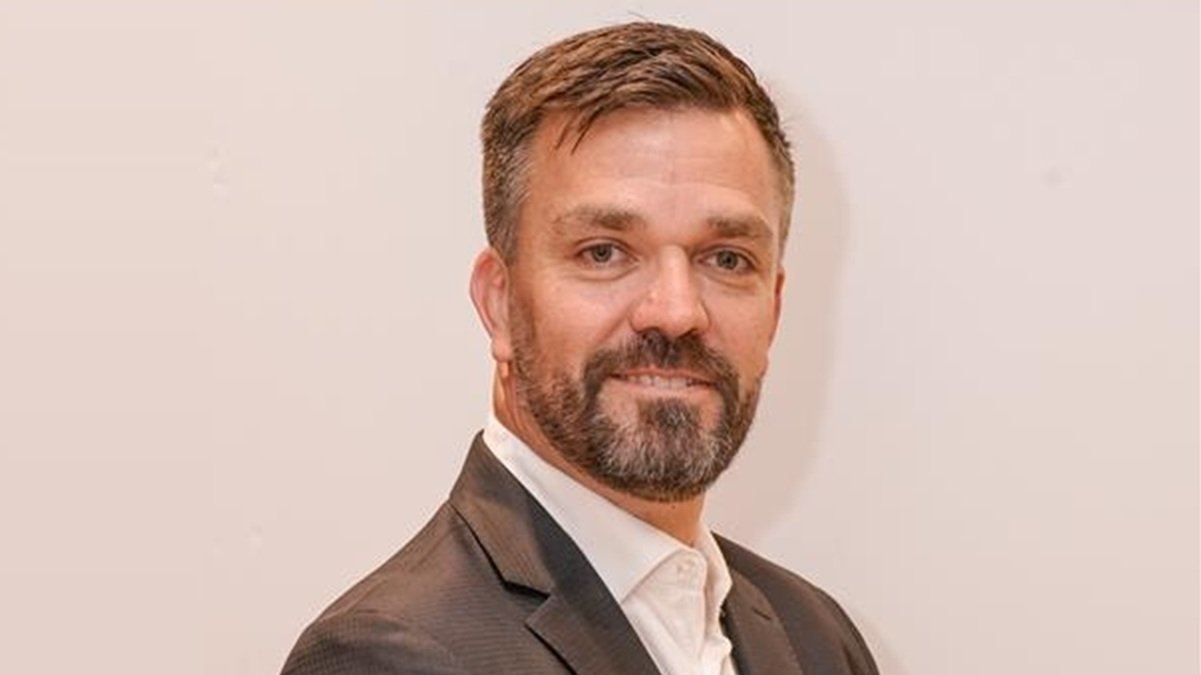
Miles Bowker, Regional Sales Director for the UAE at BMC Helix, sees organisations moving away from accumulating more tools and instead focusing on execution. He explains that the GCC’s high threat levels expose gaps in ownership, remediation speed, audit evidence, and third-party action closure. To strengthen defences, he advocates for integrated security and operations platforms that combine AI-driven anomaly detection, automated remediation, and identity-centric access controls. As attackers exploit the speed and complexity of digital transformation, Bowker notes a rise in identity abuse, cloud misconfigurations, and extortion-driven attacks. He believes CISOs should prioritise AI-enabled detection, automation, and unified visibility across service management, operations, and security to reduce dwell time and strengthen resilience.

Ram Narayanan, Country Manager at Check Point Software Technologies, emphasises a regional shift toward prevention-first security. With UAE organisations facing an average of 1,834 cyberattacks per week, he argues that reactive tools are no longer sufficient. Organisations are adopting AI-driven threat prevention, unified security platforms, and continuous monitoring to counter rising threats. As attackers exploit cloud complexity, identity gaps, and user-facing channels such as email, Narayanan stresses the importance of proactive, AI-driven approaches that stop threats before they impact business operations. He advises CISOs to focus on unified visibility across hybrid environments, automated response, and simplified security operations to stay resilient against fast-moving, AI-enabled threats.

Biju Unni, VP of Sales at Cloud Box Technologies, notes that organisations are strengthening defences by addressing talent shortages, enhancing 24/7 visibility, and aligning compliance strategies with government frameworks. He highlights increased investment in SOC capabilities, OT and IoT protection, and regional threat analytics, especially in critical sectors such as energy, aviation, ports, and smart cities. Unni observes that attackers are becoming more discreet and targeted, using AI-based campaigns to exploit cloud misconfigurations, compromised credentials, and third-party integrations. He warns that sectors like utilities and transportation are seeing more disruptive attacks aimed at long-term impact rather than immediate financial gain. For CISOs, he recommends prioritising IAM, PAM, continuous authentication, ransomware simulations, and round-the-clock monitoring to stay ahead of evolving threats.

Laurence Elbana, Director for MENA at CyberArk, underscores the growing risk posed by machine identities as organisations automate processes and expand their use of AI agents. He explains that attackers are exploiting unmanaged or over-privileged machine identities—such as service accounts, APIs, and bots—that often lack MFA and provide pathways for lateral movement and persistent access. Elbana stresses the need for organisations to gain visibility into their machine identities and manage them effectively. He argues that CISOs must adopt a comprehensive approach that includes securing AI agents, managing the shortening lifecycle of TLS certificates, and training teams to recognise social engineering threats. As machine identity-related risks accelerate, he believes this area will become a critical focus for resilience.
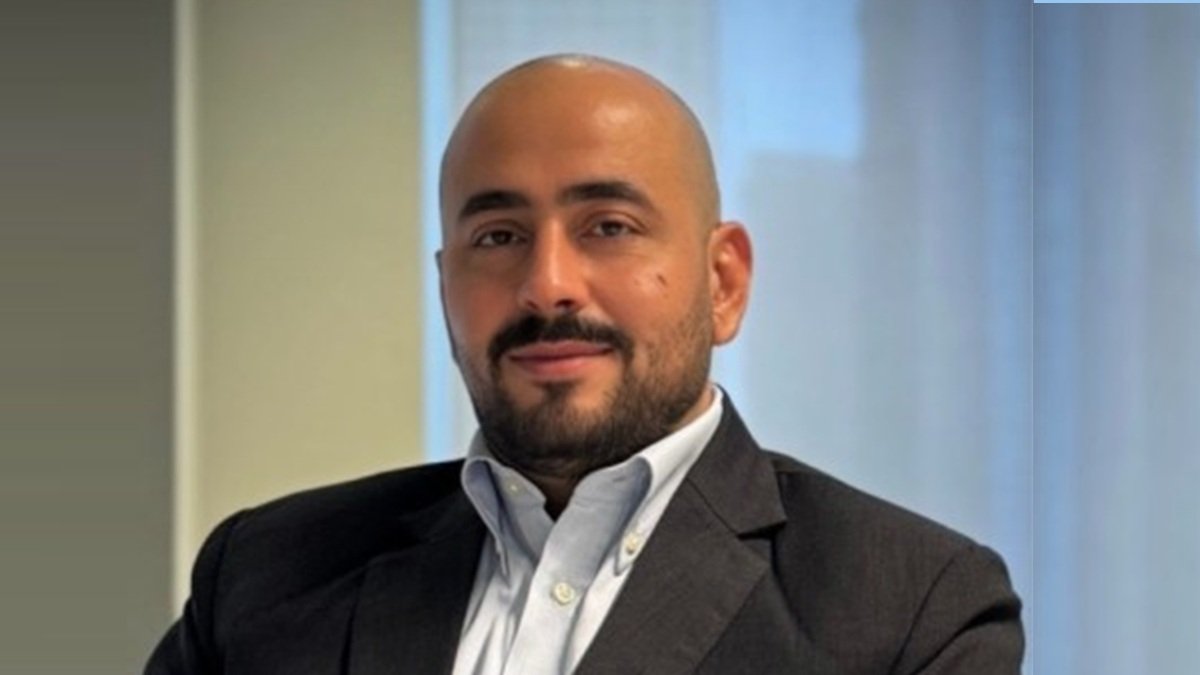
Ali AlJuneidi, Regional Sales and Business Development Manager at ESET Middle East, sees organisations strengthening defences through advanced endpoint and cloud security, regional threat intelligence, and closer collaboration with national cybersecurity authorities. He notes a growing emphasis on zero-trust frameworks and employee awareness to reduce exposure to targeted and persistent threats. As digital transformation accelerates, AlJuneidi observes attackers shifting toward stealthier operations that exploit cloud misconfigurations, identity weaknesses, and trusted third parties. Social engineering campaigns are becoming more localised and context-aware, while adversaries focus on persistence and lateral movement. He advises CISOs to prioritise prevention-first security, continuous monitoring, XDR, and skilled teams aligned with business objectives and incident response readiness.

Zakeer Zubair, Director of Solutions Engineering for the Middle East, Türkiye, and Africa at F5, describes the region’s challenge as managing a “Ball of Fire”—a complex mix of hybrid and multicloud infrastructures, distributed applications, and sophisticated application security threats intensified by AI. He explains that organisations are deploying smart solutions to gain visibility and control over their APIs, which attackers increasingly target as weak points. Zubair notes a rise in DDoS attacks driven by geopolitical tensions, along with increased use of AI to stage attacks and target APIs. He also warns of data exfiltration by cybercriminals hoping to use quantum computing in the future to decrypt sensitive information. For CISOs, he recommends investing in tools that provide full inventory, visibility, and control of APIs and applications across environments.

Shadi Khuffash, Senior Regional Director for the South Middle East at Fortinet, highlights a regional shift from siloed security tools to integrated, intelligence-driven architectures. He references Fortinet’s 2025 Global Threat Landscape Report, which shows attackers industrialising their operations through automation and credential theft at scale. With massive increases in exploitation attempts and stolen credentials, Khuffash notes that attackers are probing cloud and network infrastructure more aggressively. As digital transformation expands the attack surface, adversaries exploit complexity and poor visibility to gain access and move laterally. He believes CISOs must prioritise visibility, automation, and skills development, treating AI as a high-risk capability requiring explicit governance. He also emphasises the importance of hardening identity controls for humans, machines, and AI agents, supported by continuous threat exposure management.

Mohammed Al-Moneer, Senior Regional Director at Infoblox, explains that organisations across Turkey, France, Africa, and the Middle East are redesigning security to be preemptive by default. He argues that securing layers like DNS provides visibility into domain abuse and unmanaged assets across hybrid clouds, enabling earlier detection and smarter prevention. As attackers move faster and stay nearly invisible, Al-Moneer notes that adversaries abuse domains, short-lived infrastructure, and identity paths across hybrid environments. He believes CISOs should invest in preemptive security controls that identify and stop risks before they spread, starting with DNS, unified DDI, and continuous visibility across all environments.

Essam Seoud, Head of Enterprise Sales for META at Kaspersky, emphasises the region’s focus on cybersecurity education and skills development. He highlights partnerships such as Kaspersky’s collaboration with Tuwaiq Academy in Saudi Arabia as evidence of growing investment in local capabilities. As AI adoption accelerates, Seoud notes that attackers are using AI and large language models to automate phishing and malware creation. He argues that CISOs must prioritise holistic cybersecurity strategies that protect the entire digital environment while managing costs. By understanding entry points and implementing multi-layered security, organisations can achieve comprehensive coverage without overspending.

Adib Kilzie, Kyndryl Consult Leader for MEA, observes that organisations are strengthening their digital foundations and embedding cyber resilience into hybrid IT environments. He notes a shift from perimeter-based security to zero-trust principles, improved operational visibility, and closer alignment with regulatory requirements. As attackers target identities, cloud environments, and supply-chain dependencies, Kilzie stresses the importance of integrated security operations and continuous visibility. He advises CISOs to modernise legacy systems, secure hybrid environments, and embed security into system design and operations. Insights from the 2025 Kyndryl Readiness Report show uneven preparedness, highlighting the need for balanced investment in threat detection, identity security, skills development, and governance.

Ehab Adel, Director of Cybersecurity Solutions at Mindware, sees GCC organisations adopting zero-trust architectures, AI-driven SOCs, and sovereign cloud models aligned with national regulations. He notes a strong focus on protecting critical sectors, improving visibility, and sharing threat intelligence to respond faster to regional risks. Attackers, he explains, are acting faster and becoming more targeted, leveraging AI to exploit identities, cloud systems, and suppliers. Many attacks still exploit simple weaknesses such as misconfigurations and human error. Adel believes CISOs should focus on protecting user identities, detecting threats early, and ensuring rapid recovery. Investments in cloud and OT security, automation, and regular testing, supported by clear governance and trained teams, are essential for long-term resilience.

Rami Hazime, Regional Sales Director for Gulf and Levant at OPSWAT, describes a shift toward real-world testing and validation. He explains that organisations are moving beyond theoretical security and focusing on proof through practice, especially in critical infrastructure sectors. OPSWAT’s OP/X Mini Lab, for example, recreates operational environments to stress-test defences under realistic conditions. Hazime notes two major shifts in attacker behaviour: increased focus on critical infrastructure and OT environments, including air-gapped systems, and exploitation of rapid digital transformation. As AI becomes embedded in core platforms, attackers move faster, but defenders can also use AI to detect anomalies earlier. He advises CISOs to prioritise clarity and precise understanding of vulnerabilities, supported by proactive red teaming such as OPSWAT’s Unit 515, which simulates real attack paths across IT and OT systems.

Meriam ElOuazzani, Regional Senior Director, Middle East, Turkey and Africa, at SentinelOne explains that organisations across the Middle East, Turkey, and Africa are strengthening cyber defences by focusing on data sovereignty, zero‑trust principles, and AI‑driven detection to counter GCC‑specific threats. As digital transformation accelerates, she notes a clear shift in attacker behaviour toward identity‑based intrusions, cloud exploitation, and ransomware‑as‑a‑service, often targeting critical infrastructure with greater persistence and automation. To stay resilient, she stresses that CISOs must prioritise unified security platforms that integrate prevention, detection, response, and identity protection. Investments should centre on zero trust, continuous exposure management, and incident readiness, ensuring full visibility across endpoints, cloud environments, and identities while enabling rapid response and recovery to minimise business disruption.

Ahmed El Saadi, GVP, Middle East, at Splunk (A Cisco Company), highlights the importance of visibility across cloud, data centre, and OT environments. He explains that organisations are establishing umbrella views of security and operational data to detect unusual behaviour earlier and understand how threats move across systems. As attackers shift toward targeted, automated campaigns that exploit gaps between cloud and data centre environments, El Saadi notes increased reliance on legitimate cloud tools, APIs, and credentials to evade detection. AI-driven phishing and commoditised ransomware tools are also shortening attack timelines. He believes CISOs should prioritise consistent visibility and faster detection across hybrid environments, supported by analytics-driven security and observability platforms that connect signals across systems.

Steve Lockie, Managing Director of TechBridge Distribution MEA, sees organisations strengthening defences through integrated security stacks, real-time threat intelligence, and AI-driven prevention platforms. He notes increased emphasis on public–private collaboration, regulatory frameworks, workforce upskilling, and in-region data residency to improve resilience across hybrid environments. As attackers exploit cloud migration gaps, identity weaknesses, and hybrid IT exposures, Lockie observes a rise in ransomware, phishing, and lateral intrusion tactics. He argues that CISOs must balance prevention, detection, and recovery, combining AI-driven prevention, identity security, and immutable backup solutions to ensure rapid, clean recovery.
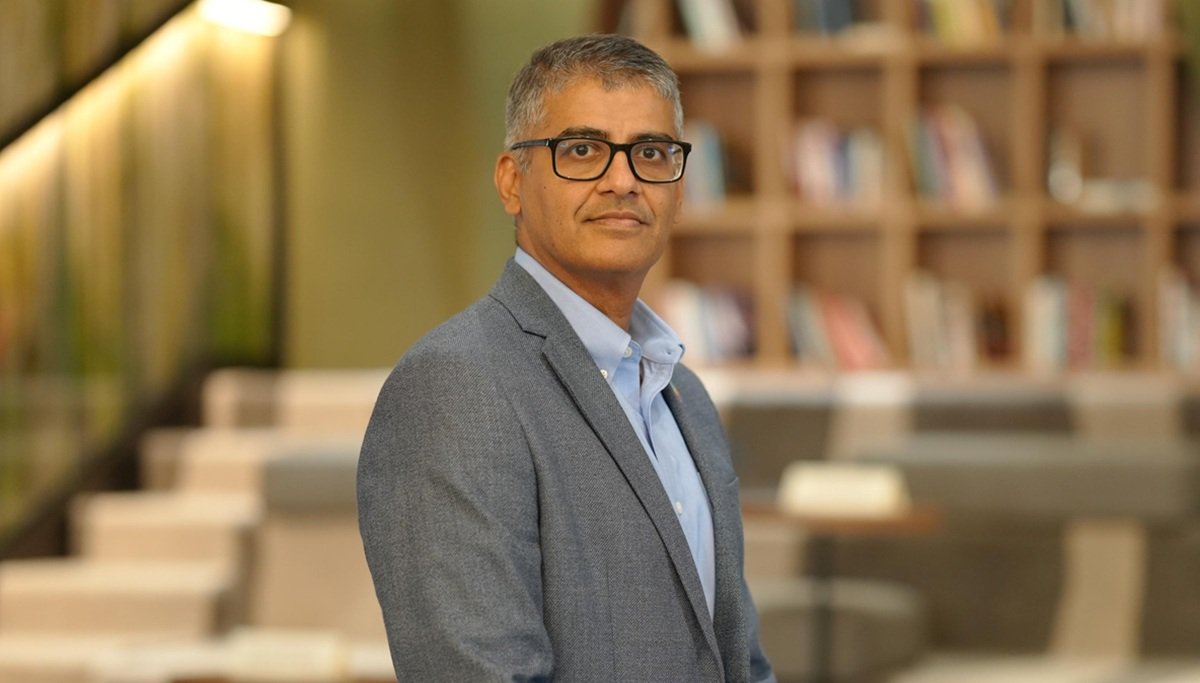
Renton D’Souza, Managing Director for the Gulf at Westcon‑Comstor, notes a decisive shift among regional organisations as they move toward proactive security models built on zero‑trust principles, automation, and threat intelligence tailored to GCC realities. Channel partners, he says, are increasingly relying on platforms from Palo Alto Networks, Splunk, and Zscaler to help customers unify their defences, close visibility gaps, and respond faster across cloud‑heavy environments. As digital transformation accelerates, attackers are exploiting identity flaws, API exposures, and supply‑chain weaknesses, while AI‑driven phishing and lateral‑movement techniques gain traction. D’Souza argues that CISOs must now prioritise identity security, automated detection and response, and richer telemetry across hybrid environments. An integrated stack powered by SASE, XDR, and identity‑centric controls, he adds, is becoming essential to reducing dwell time and staying ahead of increasingly sophisticated threats.
Together, these perspectives paint a clear picture of a region in transition—one that recognises the scale of the threat and is investing strategically to build resilience. The Middle East’s cyber landscape is defined by complexity, speed, and the growing influence of AI on both attack and defence. Organisations are moving toward integrated, identity-centric, prevention-first models that emphasise visibility, automation, and real-world readiness. As digital transformation accelerates, cyber resilience will remain a defining factor in the region’s economic and technological future, shaping how governments, enterprises, and societies navigate an increasingly interconnected world.