











Riyadh is once again commanding global attention as Black Hat MEA returns from December 2–4, reaffirming the Kingdom’s growing stature as one of the world’s leading cybersecurity hubs. Hosted at the Riyadh Exhibition & Convention Center in Malham, the event has evolved into one of the largest and most influential cybersecurity gatherings globally, drawing leading technology innovators, government strategists, analysts, researchers, and channel partners under one roof.
Its continued rise mirrors Saudi Arabia’s own digital evolution. In just a few years, the Kingdom has moved from being a fast-growing digital adopter to a country setting the pace for cybersecurity modernization worldwide. With Vision 2030 driving large-scale transformation across government, industry, and services, Riyadh is embracing cloud modernization, fintech expansion, smart urban infrastructure, 5G-led connectivity, IoT deployment, and AI-enabled digital platforms at national scale. As a result, cybersecurity has shifted from being a supporting system to a foundational pillar of economic and national resilience.
A Market Defined by Scale, Growth, and Urgency
Market indicators reflect this transformation clearly. According to research from Grand View Research, Saudi Arabia’s cybersecurity market reached USD 4.26 billion in 2024 and is projected to climb to USD 8.62 billion by 2030. This growth is being fueled by digital services adoption, rapid cloud migration, OT security maturity, and the rise of sophisticated AI-driven cyber threats.
The Kingdom is also operating in a complex geopolitical environment, where cyber and digital capabilities have become extensions of national defense and economic competitiveness. This makes events such as Black Hat MEA not only important industry gatherings, but also forward-looking strategy platforms where technology providers, government leaders, and enterprise cybersecurity teams align on how best to secure the Kingdom’s digital future.
At this year’s event, leaders from prominent cybersecurity organizations shared their insights on the evolving threat landscape, the needs of Saudi enterprises, and how the industry is supporting the objectives of Vision 2030.

AmiViz: Enabling Saudi Partners for Long-Term Cyber Resilience
For AmiViz, the Kingdom’s transformation is not just a market shift—it is a responsibility to help build national capabilities that can withstand rapidly evolving threats.
Ilyas Mohammed, Chief Operating Officer at AmiViz, explains that the company has invested heavily in building in-country presence, people, and partner ecosystems:
“We invested in the Saudi market by building local presence, resources, and partnerships to deliver cutting-edge cybersecurity and AI-driven solutions that address the country’s evolving threat landscape.”
Saudi Arabia’s organizations face a spectrum of emerging risks—from identity-based attacks and ransomware to AI-driven intrusions and cloud misconfigurations. AmiViz approaches this challenge by combining its global vendor ecosystem with channel enablement programs that ensure Saudi partners can build and deliver cybersecurity outcomes locally.
Mohammed adds: “Our Vendor Extension Model and enablement programs ensure Saudi partners gain the skills and market maturity needed to support long-term national resilience.”
This partner-first strategy aligns strongly with the Kingdom’s ambition to build strategic skills and technical sovereignty.

QuantumGate: Building Readiness for a Post-Quantum Threat Landscape
While many organizations are grappling with today’s cyber challenges, QuantumGate believes the next major security disruption is already visible on the horizon. As computing power accelerates, cryptographic algorithms such as RSA and ECC—which currently protect most digital systems, transactions, and national services—may no longer be sufficient.
Eibrahym Sultan, Head of Growth at QuantumGate, highlights the risk: “Many still rely on RSA and ECC, which won’t hold up against post-quantum attacks. Combined with aging certificates and legacy systems, this creates blind spots that can be exploited today or decades later.”
QuantumGate works with enterprises and national cybersecurity programs to assess cryptographic vulnerabilities, plan secure migration paths, and ensure organizations are protected before quantum capability reaches maturity. Sultan notes that future state-level adversaries may already be collecting encrypted data today, waiting for a time when decryption becomes computationally trivial. Preparing now is therefore no longer optional—it is strategic.

ESET: Confronting Modern Threats with Intelligent Security and Skills Enablement
The cybersecurity landscape in Saudi Arabia is shifting at unprecedented speed. For Ilias Tsapsidis, Sales Director for Middle East, Greece, Cyprus & Malta at ESET, the risks facing Saudi enterprises are becoming more complex:
“Saudi businesses are facing sophisticated ransomware, advanced persistent attacks, phishing at scale, and cloud-driven vulnerabilities. This is happening alongside a cybersecurity skills gap and stricter NCA-driven compliance.”
ESET addresses these challenges using XDR, MDR, and multi-layered platforms designed to provide continuous protection across endpoints, identities, cloud workloads, and digital applications. Just as important is the company’s focus on empowerment. ESET invests in training and partner development so that organizations can align with regulatory frameworks while developing local operational capacity that scales over time.
Tsapsidis sees this as foundational to the Kingdom’s long-term cybersecurity maturity.
Fortinet: Securing the Digital Backbone Behind Vision 2030
Saudi Arabia’s digital ecosystem has expanded far beyond isolated IT systems. The country is building interconnected smart cities, digital infrastructure, and AI-enabled platforms that serve millions of citizens daily. For Fortinet, the challenge is ensuring innovation does not outpace protection.
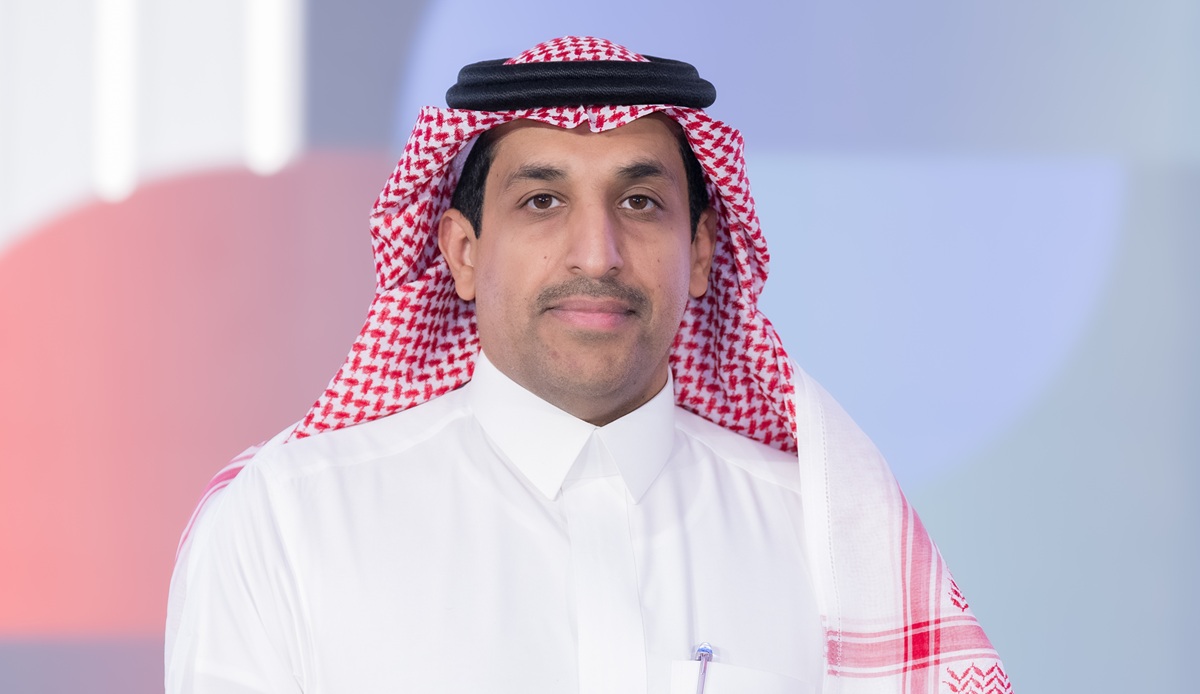
Sami AlShwairakh, Senior Director for Saudi Arabia at Fortinet, explains: “Our priority is safeguarding the Kingdom’s digital backbone while enabling innovation, so the benefits of early adoption are not overshadowed by vulnerabilities.”
Fortinet aligns closely with NCA frameworks and national cyber strategies. The company also invests in cybersecurity talent development, starting from early education and continuing through advanced professional certification tracks. This approach ensures that the Kingdom is not only adopting world-class technologies but also building a skilled and sustainable cybersecurity workforce.

CyberArk: Protecting Privilege and Identity in a Machine-Led World
With the rise of AI and cloud-native services, identity has become the first line of attack and the first layer of defense. According to Laurence Elbana, Director – Middle East at CyberArk:
“Saudi businesses face unprecedented threats from AI-powered attacks including credential exploitation and deepfakes. We provide identity security platforms that address privileged access, machine identities, and AI-driven operational risk.”
CyberArk collaborates with Saudi partners to modernize PAM deployments and prepare organizations for new compliance mandates, including changes such as reduced TLS certificate validity. Elbana stresses that identity-based security is no longer optional—especially as automation and machine-to-machine communication increase exponentially.

Cisco: Integrating Security into the Fabric of National Networks
As Saudi Arabia accelerates AI adoption across industries, Cisco is focused on embedding intelligence and threat detection directly into network infrastructure. According to Fady Younes, Managing Director for Cybersecurity at Cisco Middle East, Africa, Türkiye, Romania and CIS:
“As AI adoption accelerates, we integrate security directly into the network, enable zero trust, secure AI application protection, and advanced threat detection.”
Cisco operates a local cloud security data center that supports sovereign data protection and regulatory compliance across critical industries, enabling organizations to modernize with confidence.
Phosphorus: Eliminating Risks Created by a Growing IoT Universe
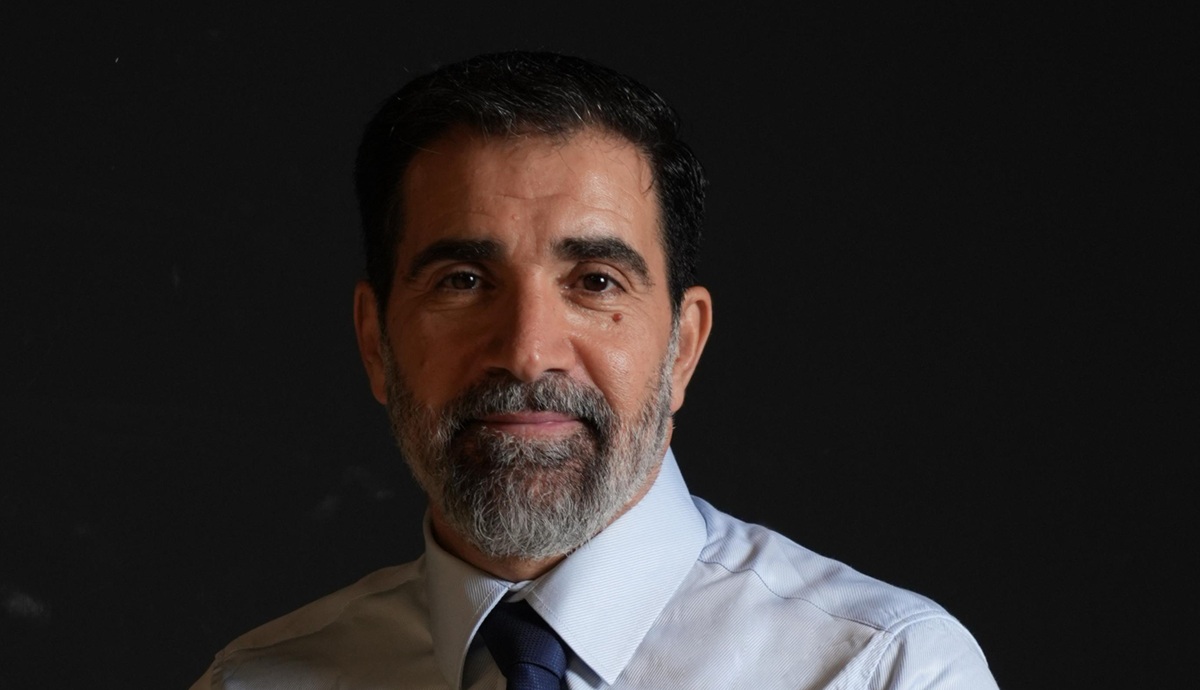
Saudi Arabia is deploying smart infrastructure at scale—from healthcare systems and smart hospitals to industrial automation and connected transportation. According to Osama Al-Zoubi, Vice President, MEA at Phosphorus Cybersecurity:
“OT and IoT devices often run outdated firmware and default passwords, creating a massive attack surface that AI-powered threats can easily exploit.”
Phosphorus delivers automated discovery, threat remediation, and vulnerability management across complex device ecosystems, ensuring alignment with NCA mandates and modernization strategies.

SentinelOne: Fighting Machine-Speed Threats with Machine-Speed Defense
Saudi organizations now face adversaries capable of moving faster than human analysts can react. SentinelOne addresses this reality with autonomous threat detection and AI-driven security platforms.
Meriam El Ouazzani, Regional Senior Director, Middle East, Turkey, and Africa at SentinelOne, explains the mission: “We provide autonomous, AI-driven cybersecurity that helps organizations achieve resilience and regulatory alignment while supporting the Kingdom’s national cyber readiness.”
SentinelOne also supports upskilling programs designed to expand Saudi Arabia’s defense capabilities beyond technology and into human capital development.

Infoblox: Closing DNS-Layer Gaps in a Cloud-First World
Even with modern security controls in place, many organizations still struggle with low visibility at the DNS and network control level. Mohammed Al-Moneer, Sr. Regional Director at Infoblox, explains:
“Saudi businesses face visibility gaps and DNS-layer threats. We close blind spots with advanced DNS security and automated network controls that support modern cloud and hybrid architectures.”
Infoblox also invests in Saudi cybersecurity talent development to ensure resilience is embedded within the organizations it supports.
Zscaler: Enabling Zero Trust Access Built for Cloud and AI Environments
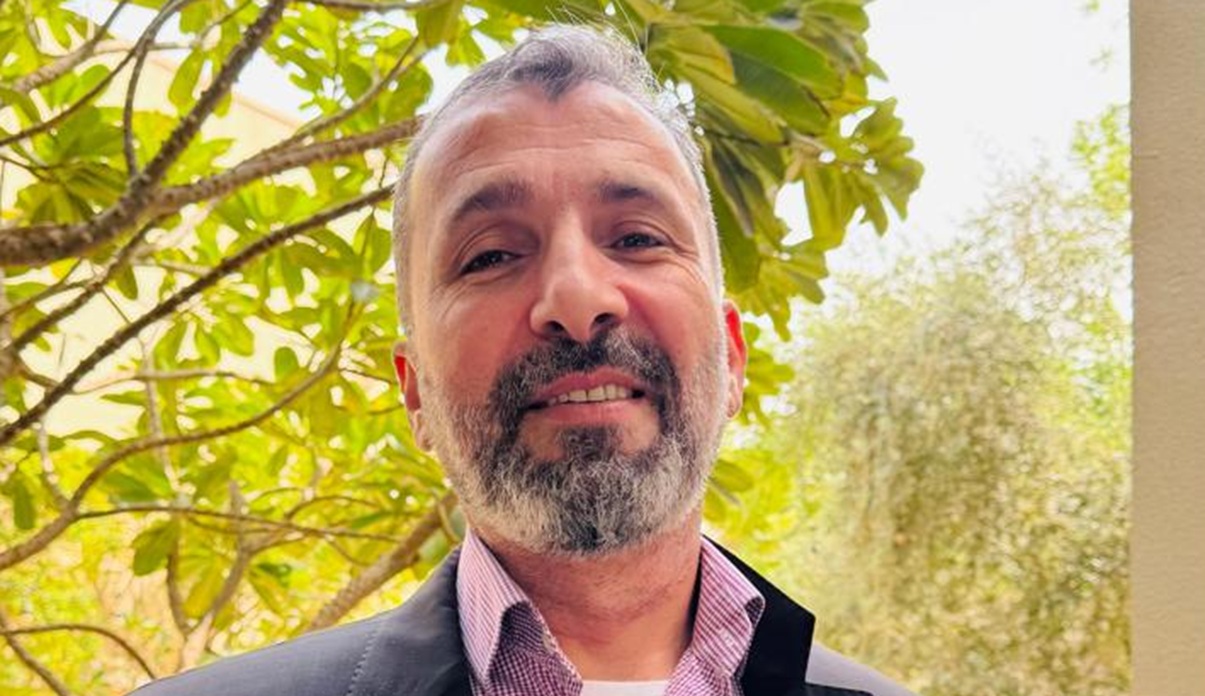
As organizations move away from perimeter-based security models, the need for direct, secure user-to-application inspection has become imperative. Ahmed Al Qadri, Regional Director at Zscaler, explains:
“Many organizations still rely on legacy network-centric security models that can’t scale to today’s AI-powered threats. We provide direct, secure user-to-application access and continuous inspection that reduces attack surfaces and complexity.”
Zscaler has expanded its Saudi data center footprint to offer low-latency, regulation-aligned cloud transformation.

Group-IB: Operationalizing Threat Intelligence for National Resilience
Mohammad KH Flaifel, Regional Sales Director of KSA and Türkiye at Group-IB, highlights that Vision 2030 has elevated cybersecurity from a support function to a core driver of national digital advancement.
He explains that Group-IB is supporting this shift by helping organizations operationalize threat intelligence through a unified approach that integrates cyber defense, anti-fraud protection, digital risk safeguards, and brand integrity management.
Their Unified Risk Platform brings together intelligence on cyber, fraud, and identity threats, allowing enterprises to detect risks earlier while responding more effectively in context to evolving attacks.
Flaifel also underscores that long-term resilience requires more than deploying the right technologies. For national cybersecurity maturity to deepen, Saudi organizations must build internal expertise, and Group-IB places significant focus on knowledge transfer, partner enablement, and localized capacity-building that empowers security teams to operate independently and confidently.

Splunk: Enabling Intelligent Cybersecurity for Vision 2030
Ahmed El Saadi, Vice President for the Middle East, Africa, Turkey, Romania and CIS at Splunk, says the company is helping Saudi organizations strengthen cybersecurity in line with Vision 2030 by transforming machine data into real-time intelligence that supports proactive defense and secure cloud-scale growth.
El Saadi notes that Saudi enterprises increasingly face challenges such as alert fatigue, fragmented security tools, cloud threats and a constantly expanding attack surface. Splunk addresses this by integrating SIEM, SOAR and UEBA into a unified platform that enhances automation, accelerates response and improves visibility.
Working with partners like NourNet and government entities, the company also supports national upskilling and AI development to build sustainable cyber resilience across the Kingdom.

BeyondTrust: Strengthening Cyber Resilience Through Secure Digital Transformation
Saudi Arabia’s push toward a fully digital economy under Vision 2030 has made cybersecurity a national priority, and BeyondTrust plays a key role in strengthening the security foundation required for this transformation.
Mohammed Al Kuait, Regional Sales Director – Saudi, BeyondTrust, explains that the company helps organizations gain greater visibility, governance, and control over increasingly complex and cloud-driven environments. By improving access oversight and reducing identity-related risks,
BeyondTrust supports compliance with national frameworks while enabling sustainable digital growth. Through close collaboration with enterprises, government entities, and local partners, the company focuses on knowledge transfer and capability building to help Saudi organizations develop long-term operational resilience.

Anomali: Unified Threat Intelligence Driving Saudi Cyber Goals
Alexandre Depret-Bixio, Senior Vice President EMEA & APJ at Anomali, said: “At Anomali, we proudly support Saudi Arabia’s Vision 2030 by strengthening cybersecurity across government, finance, and critical infrastructure. With a dedicated presence in the Kingdom, we ensure compliance with local regulations, uphold data sovereignty, and deliver faster expertise.
Our AI-powered platform unifies threat intelligence, detection, and response, enabling organizations to modernize operations and shift from reactive defense to proactive, intelligence-driven security. By addressing challenges such as ransomware, phishing, talent shortages, and complex hybrid environments, we deliver full visibility and automation across deployments. Through close collaboration with enterprises, regulators, and partners, we are building a sustainable ecosystem for long-term cyber resilience.”
Cybersecurity as the Foundation of Saudi Arabia’s Digital Future
The growing momentum behind Black Hat MEA reflects a wider national transformation in how cybersecurity is approached across Saudi Arabia. Cyber defense is no longer considered a backend safeguard—it has become foundational to economic diversification, digital competitiveness, and the secure execution of Vision 2030 initiatives.
As the national market is projected to nearly double by 2030, the Kingdom is channeling investment into advanced technologies, modernization of security operations, strengthening compliance frameworks, sovereign data protection, and the development of national talent capable of sustaining security excellence from within.
Walking through the exhibition halls in the coming days, one theme will stand out clearly: Saudi Arabia is not merely preparing to react to the future of cybersecurity—it is actively shaping it.